
Black Leaders Panel Talk
Narratives, Culture and Creativity
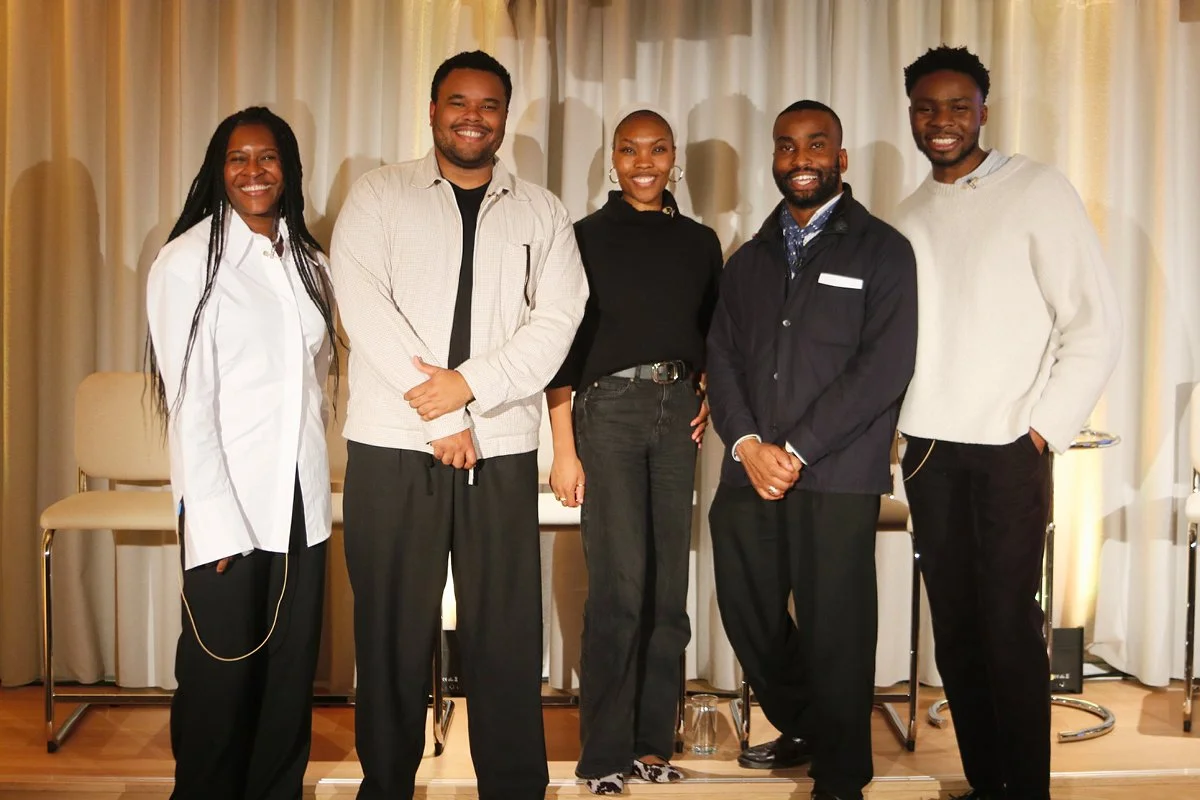
From left: Rhianne Sinclair-Phillips, Ikenna Malbert, Monique Jonas, Muyiwa Oki, Zulum Elumogo
Hosted by Managing Director Zulum Elumogo in partnership with FORA, TC & Friends brought together a panel of leading voices working across architecture, visual arts, dance, and creative strategy: Muyiwa Oki, former President of RIBA; Ikenna Malbert, Associate Director at White Cube; Rhianne Sinclair-Phillips, Founder and Creative Director of FRM CREATIVE; and Monique Jonas, Principal Ballerina with Matthew Bourne’s Romeo and Juliet and founder of Jona Dance.
The conversation on centred the power of narratives, creativity in the workplace, the role of AI in modern creativity, the Black Lives Matter ‘backlash’ and the role of creativity in responding to this moment of political tension.
Narratives as entry points
With limited Black representation in senior creative leadership roles in the UK, Zulum opened by asking the panellists where their initial sense of possibility came from.
For Ikenna, it was an unexpected encounter with historian David Olusoga at the Royal Academy in 2016. What stayed with him was not a sense of awe or prestige, but recognition — a moment of seeing someone who looked like him occupying cultural authority with ease and joy. That likeness, “even down to his nose ring,” made Ikenna feel like a future in public storytelling was attainable rather than abstract.
Rhianne offered a different route into her initial field of PR. Fiction, not proximity, shaped her ambition. It was by watching Sex and the City in the 1990s she was introduced to Carrie Bradshaw’s cultured independence and access to glamorous, creative worlds. It was a reminder that even fictional narratives have the ability to shape real-world ambitions.
Together, these stories underscored a quiet truth: we all need a hero (or at least a motivating reference point!)
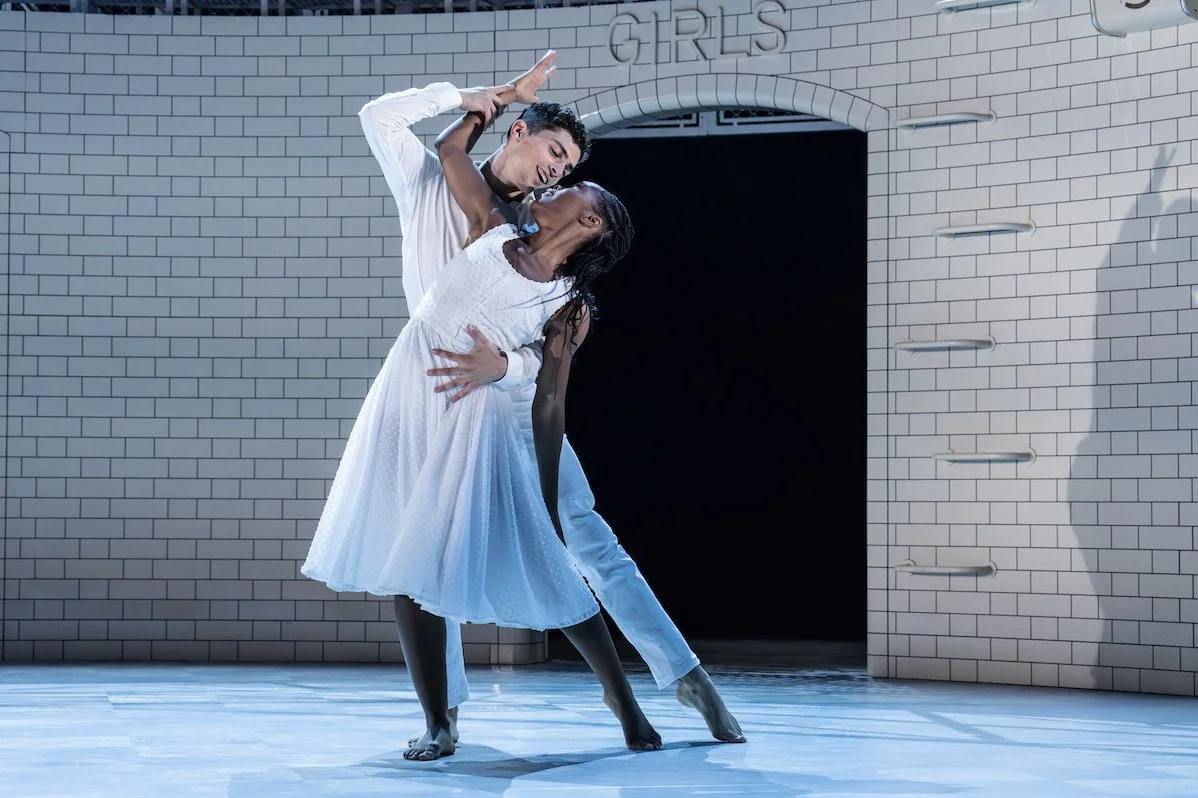
Monique Jonas as Juliet in Mathew Bourne's Romeo and Juliet. Image credit: Johan Persson
Reimagining work and creative space
Asked how they think about workspaces today, Monique shared how as a dancer-choreographer her office is the studio and the stage — places of play, storytelling and discovery. She invited the audience to view their workspace less as places of productivity but more as canvases for ideas and experimentation.
Rhianne returned the focus to leadership, arguing that any workplace is only as creative as the people within the organisation. She stressed how diversity of background, generation and perspective — including Gen Z — shouldn’t be just cosmetic, but catalytic for an organisation.
Ikenna spoke about London itself as a creative asset: a city whose abundance of cultural riches offers daily opportunities for curiosity, if people choose to engage with it. The panel agreed that creativity begins with curiosity and is sustained by questioning.
AI, taste and the limits of automation
When the conversation turned to AI, the tone sharpened. Rhianne captured it succinctly: AI can support execution, but “it cannot teach taste.” Taste, she argued, comes from lived experience, travel and exploring arts and culture.
Muyiwa extended this idea into architecture, noting how AI has accelerated a shift away from the importance of form towards purpose and feeling. The central question is no longer what is this building made of? but what does it do for the people who use it? He cited the Appleby Blue Almshouse in London — winner of the 2025 RIBA Stirling Prize — as an example of design that centres dignity and human need over aesthetics and materiality.
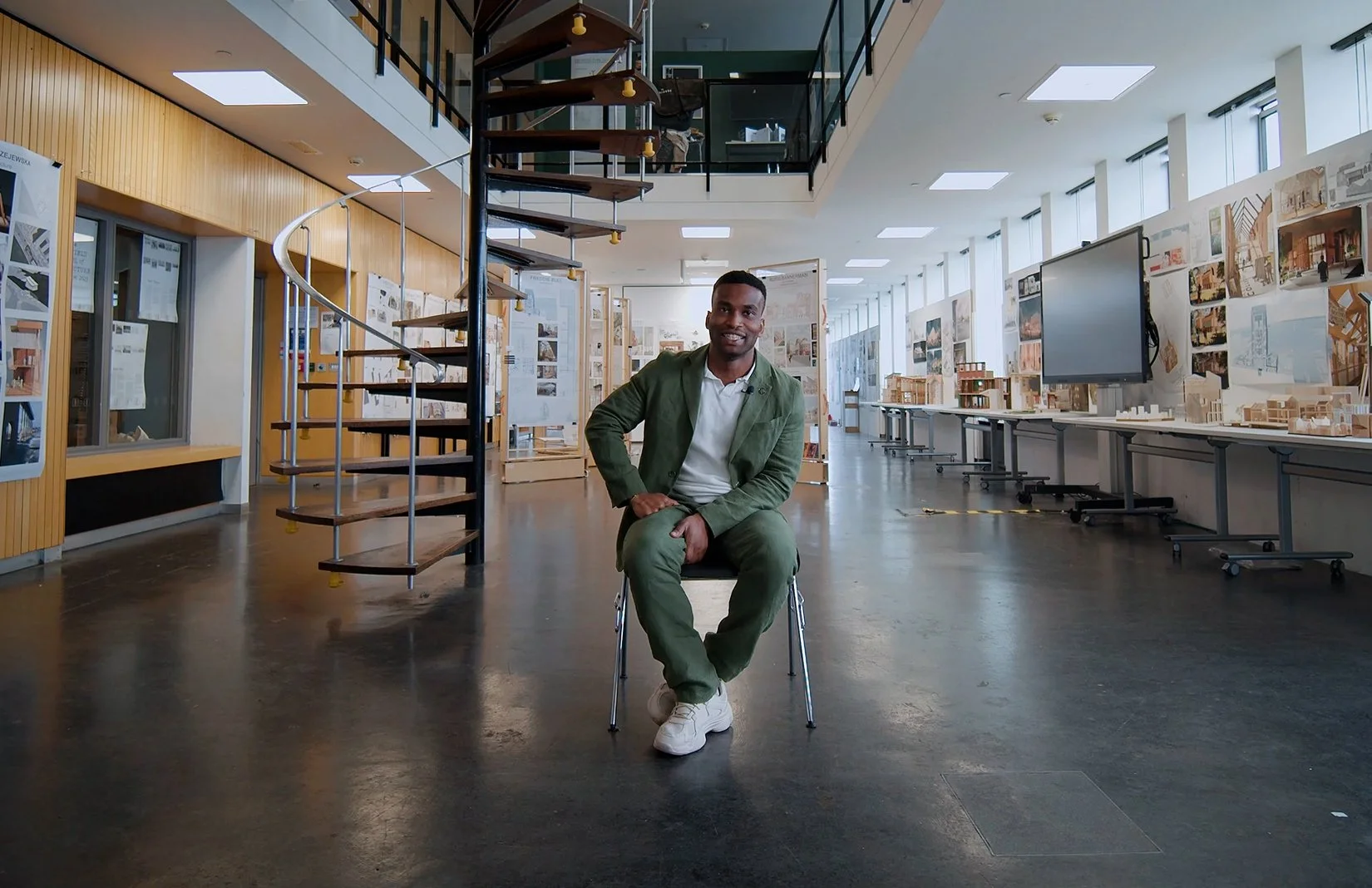
Muyiwa Oki shot for RIBA by Khizr Studio
Creativity, preservation and the post-BLM reality
The panel did not shy away from commenting on the political moment. Reflecting on the backlash following the Black Lives Matter movement of 2020, panellists acknowledged the material consequences of the backlash for Black creatives, with commercial opportunities drying up as well as broken institutional commitments. Despite the setbacks, Ikenna highlighted how artists are doing long-term capacity building irrespective of the political climate, citing Ibrahim Mahama in Northern Ghana and Michael Armitage in Kenya as bright examples.
The discussion was framed through reflecting on Thomas J Price’s Grounded in the Stars, a temporary installation in Times Square that ignited debates around Black visibility, stereotypes and power in the public spaces. What emerged from the panel was a shared belief of the need to exercise Black creativity as a form of cultural preservation and resistance. Monique stated how the ‘narrative of pain is the loudest voice of the Black experience’ and confidently shared how her work as a dancer-choreographer aims to diversify that narrative by portraying the ‘true nuance and complexity of us as beings, showing how movement on Black bodies can reflect vulnerability, joy, happiness and love’.
Looking forward
The evening closed with the question ‘what’s the most abundant and fulfilled vision for yourself and your community?’ A potent answer shared by a couple of panellists was: a future where Black creatives are no longer required to infuse their work with their ‘Blackness’ in order to be acknowledged and respected.
Ikenna stated his longing for a future where Black artists could simply be artists – free to define themselves on their own terms.
If the panel made anything clear, it is that imagination and representation remain one of the most powerful tools available for developing more equitable and diverse cultural ecosystem.
With thanks to FORA for partnering with us on this evening of ideas and conversation.
