
TC Top 25
With TC attending Milan Design Week every year since 2002 (making this his 25th visit!), we’re dedicating this edition to our 25 standout moments at MDW 2026
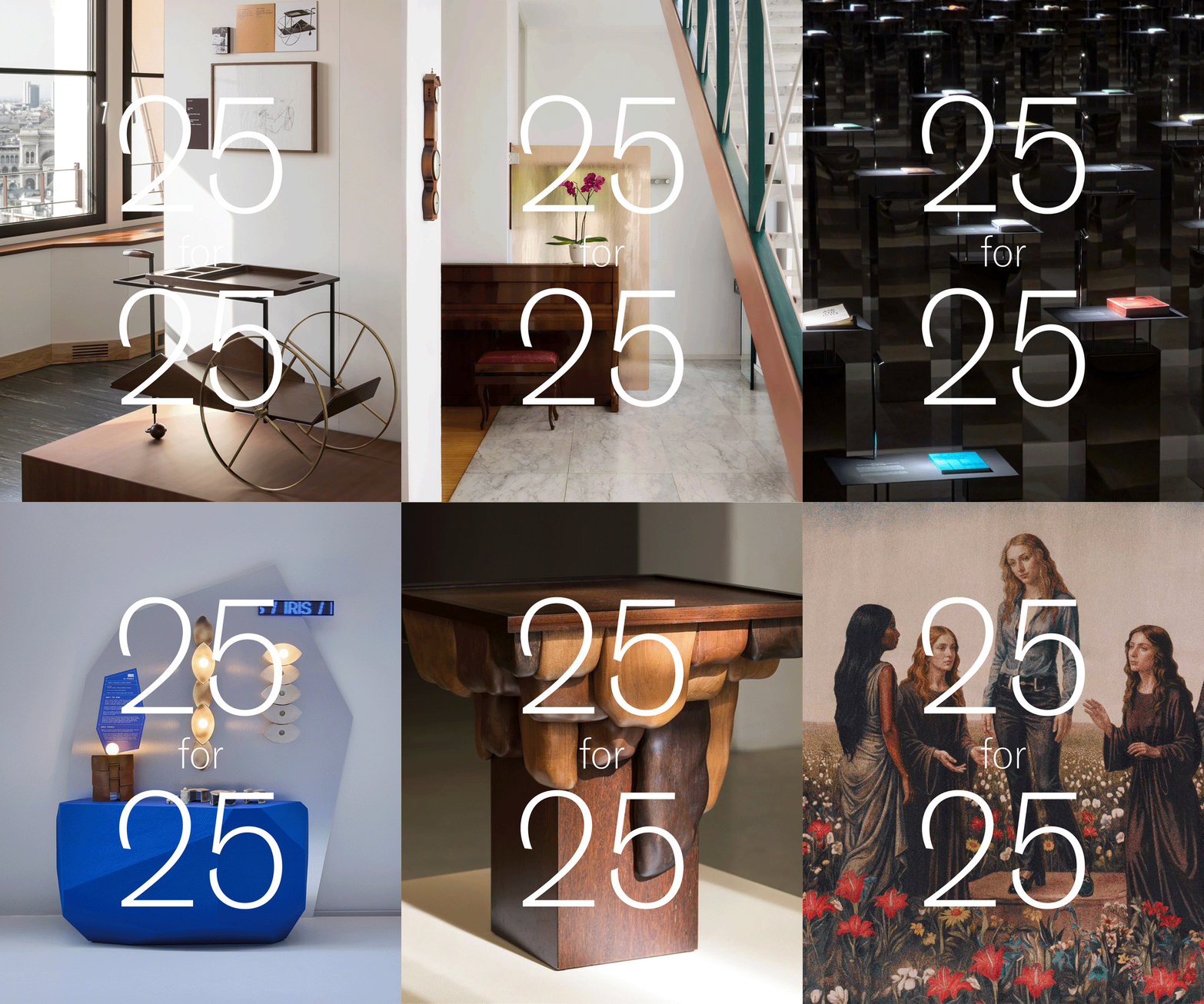
If memory serves us well, our founder, Tony Chambers first attended Salone del Mobile / Milan Design Week in 2002 – so this year’s April visit was his 25th. Wow, how it has grown in that time! Milan totally transforms during this week. Piazzas, bars and restaurants fill with conversation, palazzos, basilicas and canalside warehouses open their doors (often for the first time to the public), and the world’s leading design talent gathers to share new work across the city. For 25 years, TC (& friends) has been part of that story.
Recently there has been much criticism around the growing presence, or perhaps invasion, of luxury and fashion brands during Milan Design Week. They have far bigger budgets, louder voices and more immediate, ‘instagramabubble’ lure. They take the best venues and inevitably push up the prices and push out the younger talents. If they just parachute in, without any true understanding of the culture of design, then the results are likely to be crass, soulless and forgettable. But when there is a spirit of true collaboration and willingness to share skills and ideas, then cross-disciplinary magic happens. Fashion is, after all, a design discipline – so they should be part of the family. Let’s work with them, help them, teach them and learn from them. While the landscape has undeniably changed, this year felt like a reminder that, amidst all the spectacle and manufactured long queues, good design can still prevail.
So, for our 25th visit to Milan Design Week, we have selected 25 moments that we believe are worth noting.

The Visteria Foundation
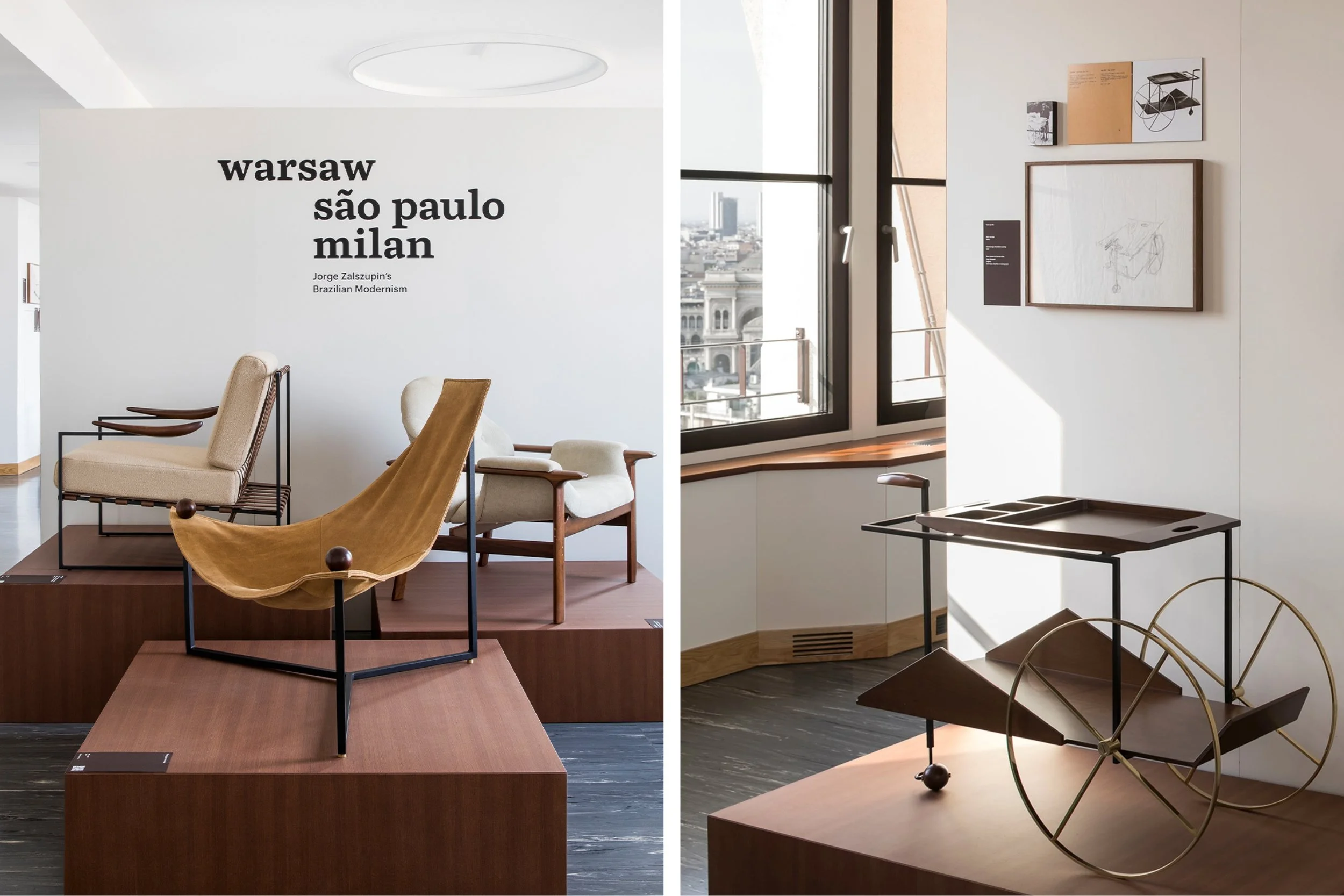
The Polish non-profit organisation dedicated to promoting contemporary craftsmanship and applied arts returned to Milan Design Week with two outstanding exhibitions: Polish Modernism: A Struggle for Beauty curated by Federica Sala and Anna Maga, and Jorge Zalszupin: Warsaw – São Paulo – Milan in collaboration with ETEL, curated by Lissa Carmona and Maria Murawsky.
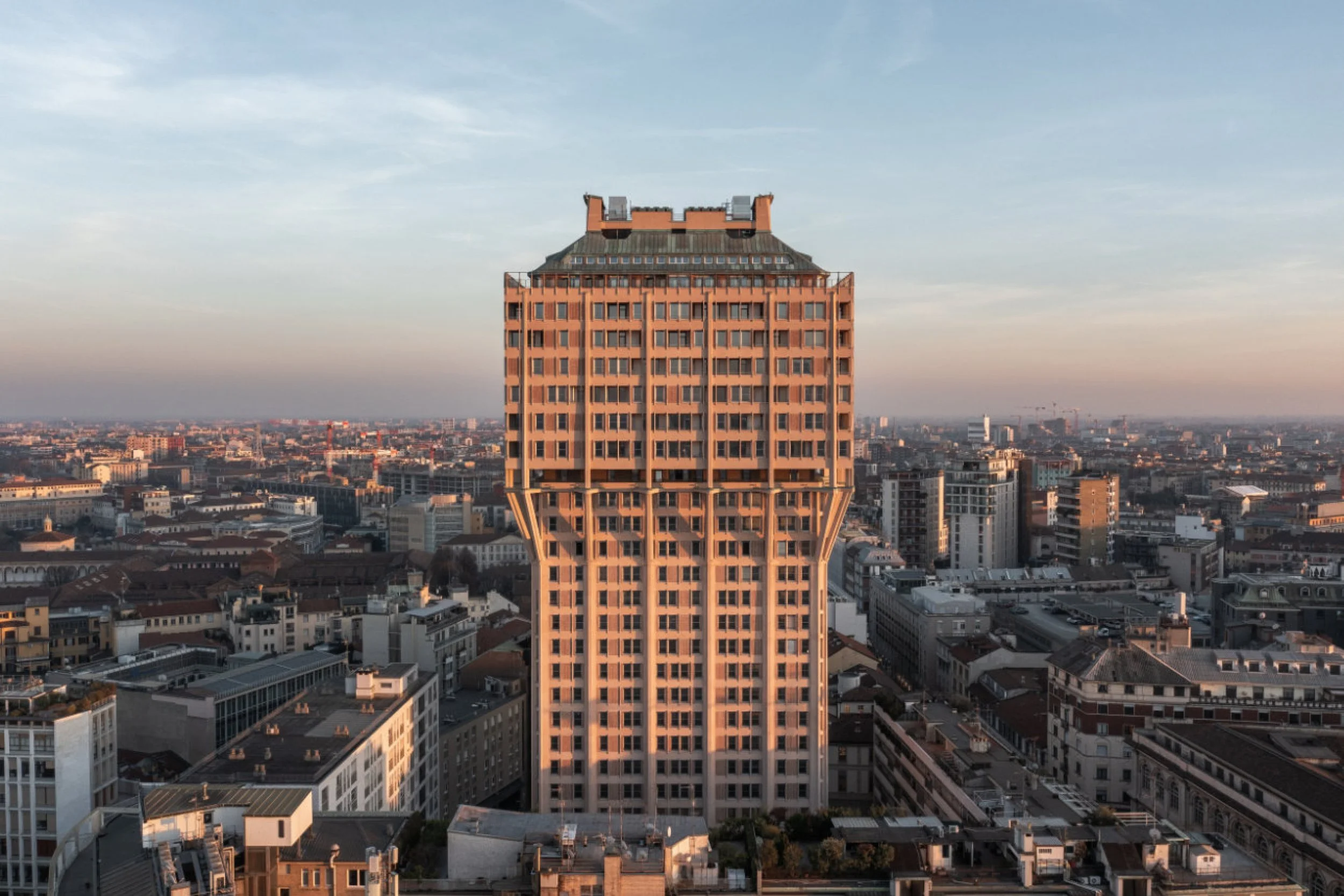
The perfectly fitting location was an added pull: Torre Velasca, the quasi-medieval/brutalist building designed by BBPR Studio in 1958, is one of Milan’s most iconic (if polarising) landmarks. Photographs: The Visteria Foundation


DimoreStudio
Emiliano Salci and Britt Moran treated us to two stunning presentations this year.
First, we enjoyed their new Interni Venosta collection, titled Interno Italiano, unveiled within an Osvaldo Borsani-designed private residence on Via Bigli. Open to the public for the very first time, Palazzo Olivazzi was designed in the late 1930s but not completed until 1948.
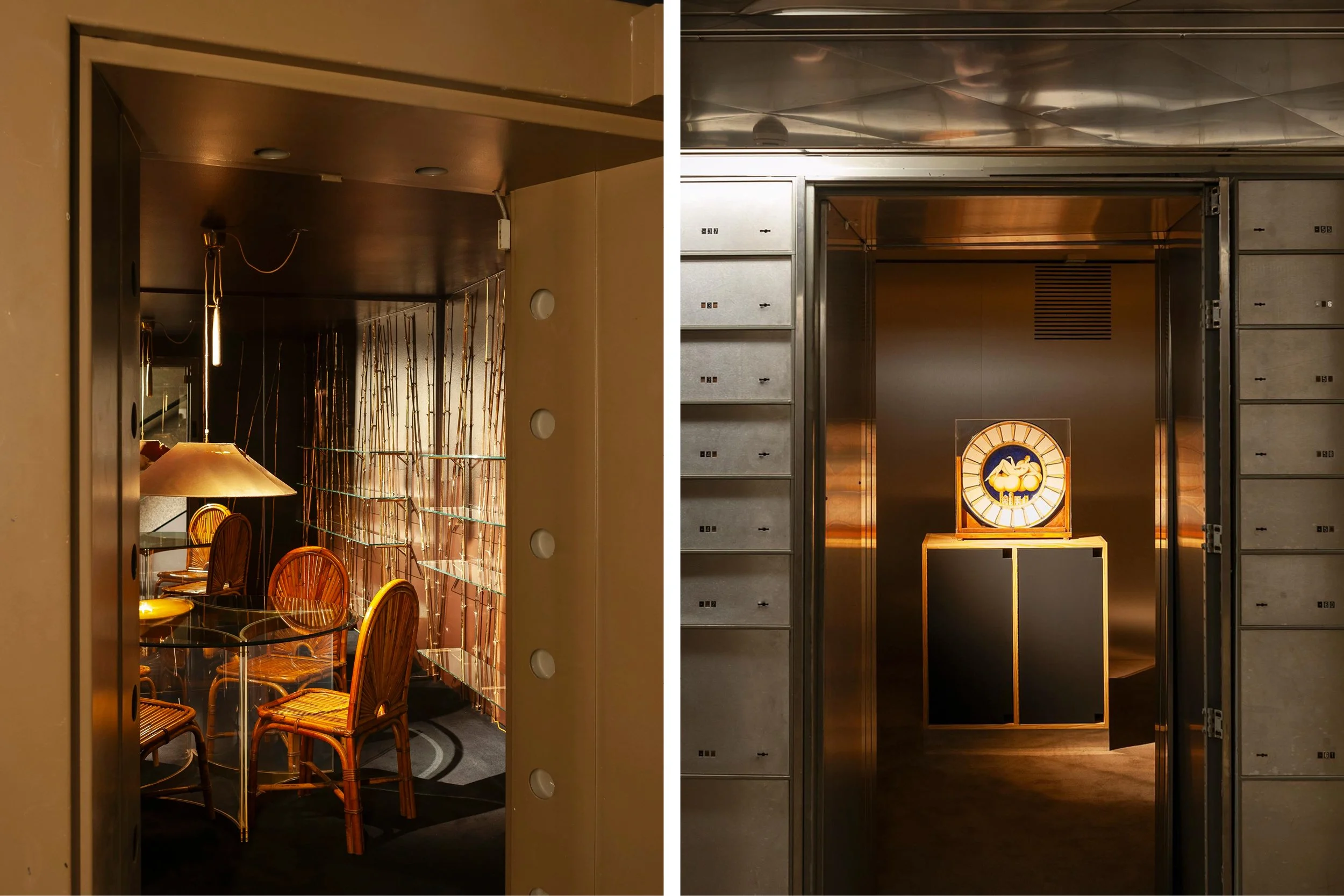
Second, we were welcomed to the new location for their DimoreGallery at Via San Vittore al Teatro 1/3. Transforming a historic former bank, the two-level exhibition setting theatrically utilises the original vaults and safe deposit boxes. Photographs: Andrea Ferrari
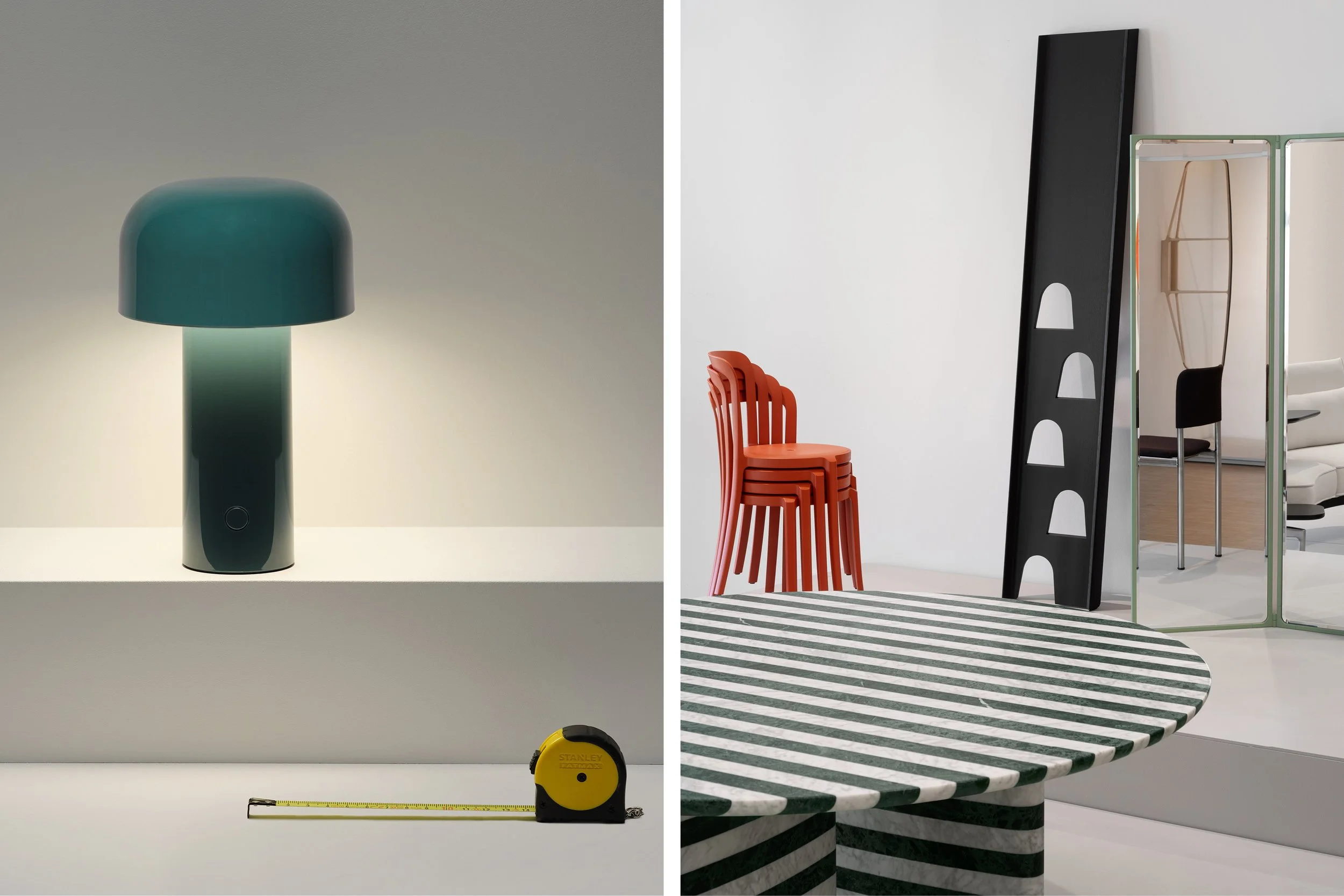


Triennale Milano
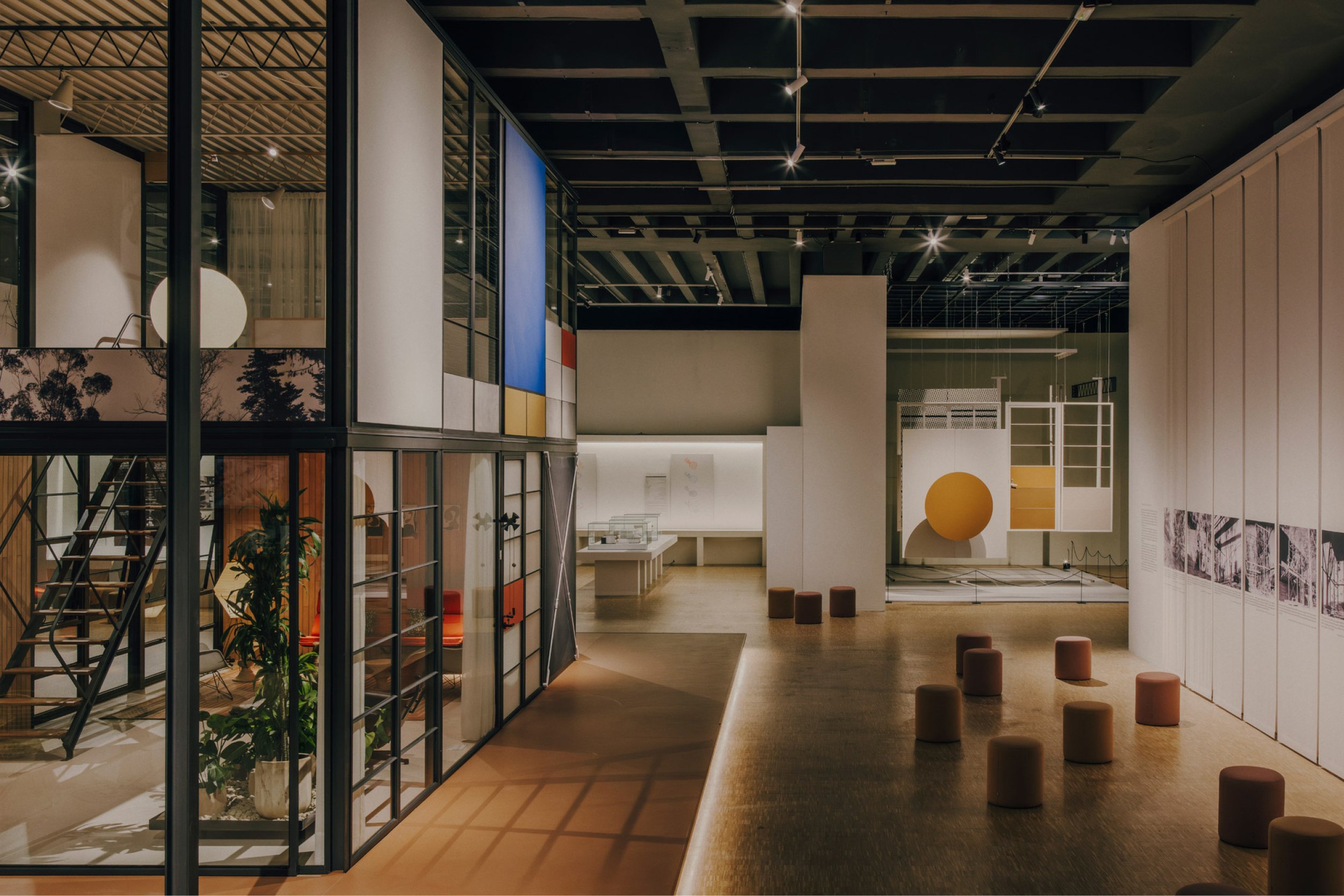
The Triennale served up a memorable programme including blockbuster exhibitions on Andrea Branzi (by Toyo Ito), Lella and Massimo Vignelli, Barber Osgerby and The Eames Houses presented by The Eames Office and Kettal. Bravo to Stefano Boeri (and his team) who steps down after eight years as president. Photographs: Matteo Pasin, Triennale


Alcova
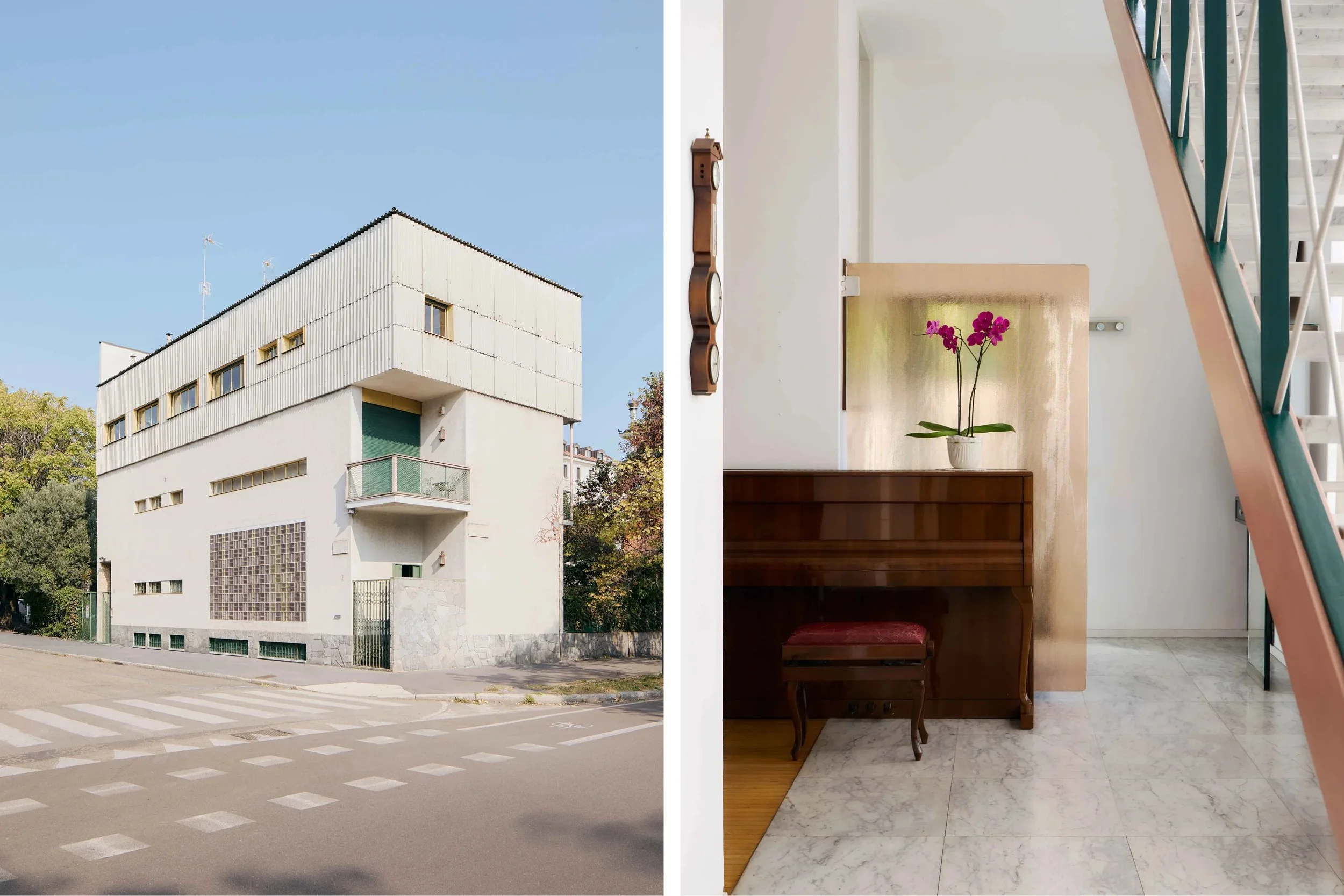
This eleventh edition by founders Valentina Ciuffi and Joseph Grima did not disappoint. Showing across two extraordinary locations – theBaggio Military Hospital and the never-before-opened Villa Pestarini designed by Franco Albini. Villa Pestarini hosted special presentations including Albini in Present Tense, a collaboration from Patricia Urquiola and Haworth & Cassina. Photographs: Supaform, Alcova

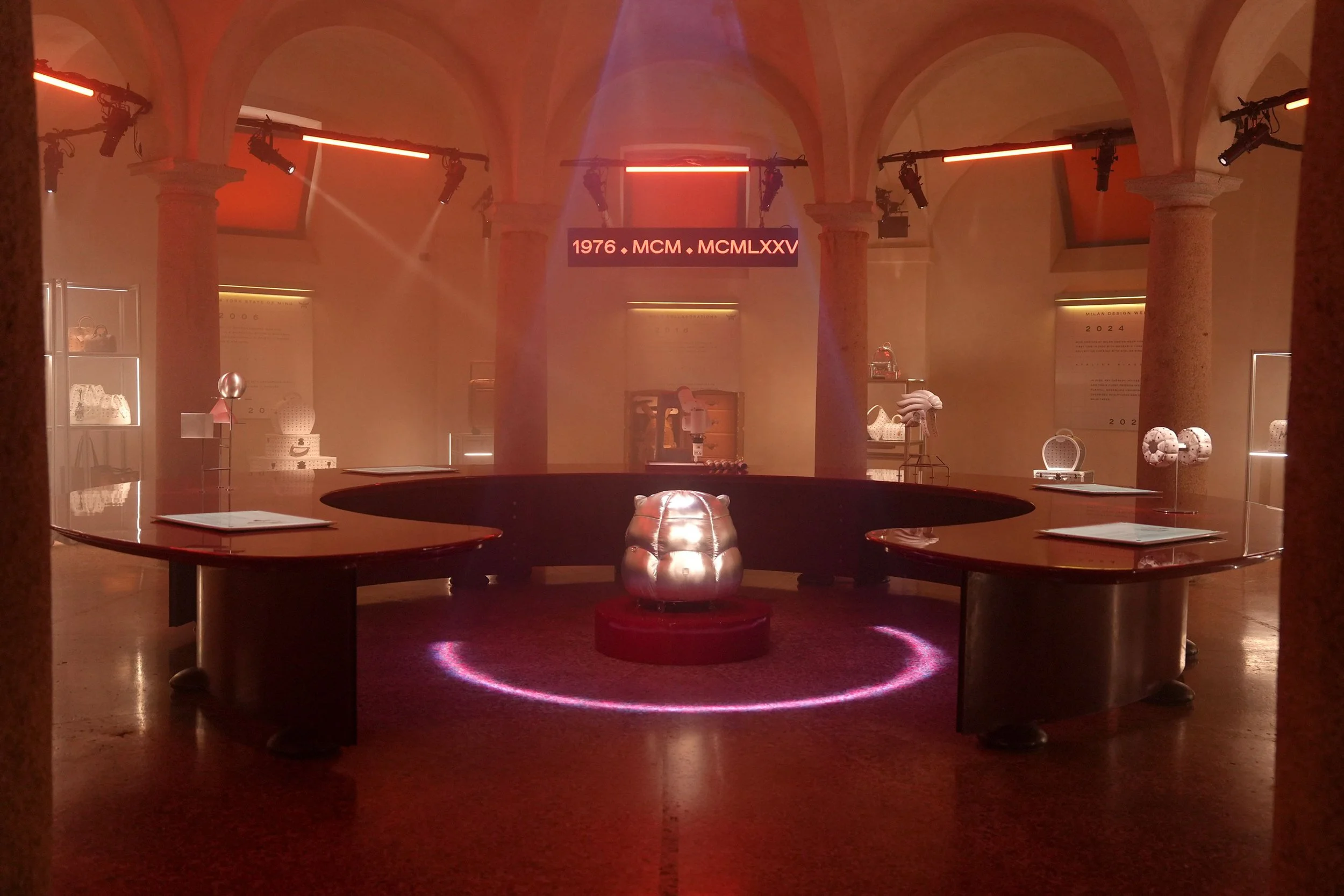
Atelier Biagetti: Disco On Mars
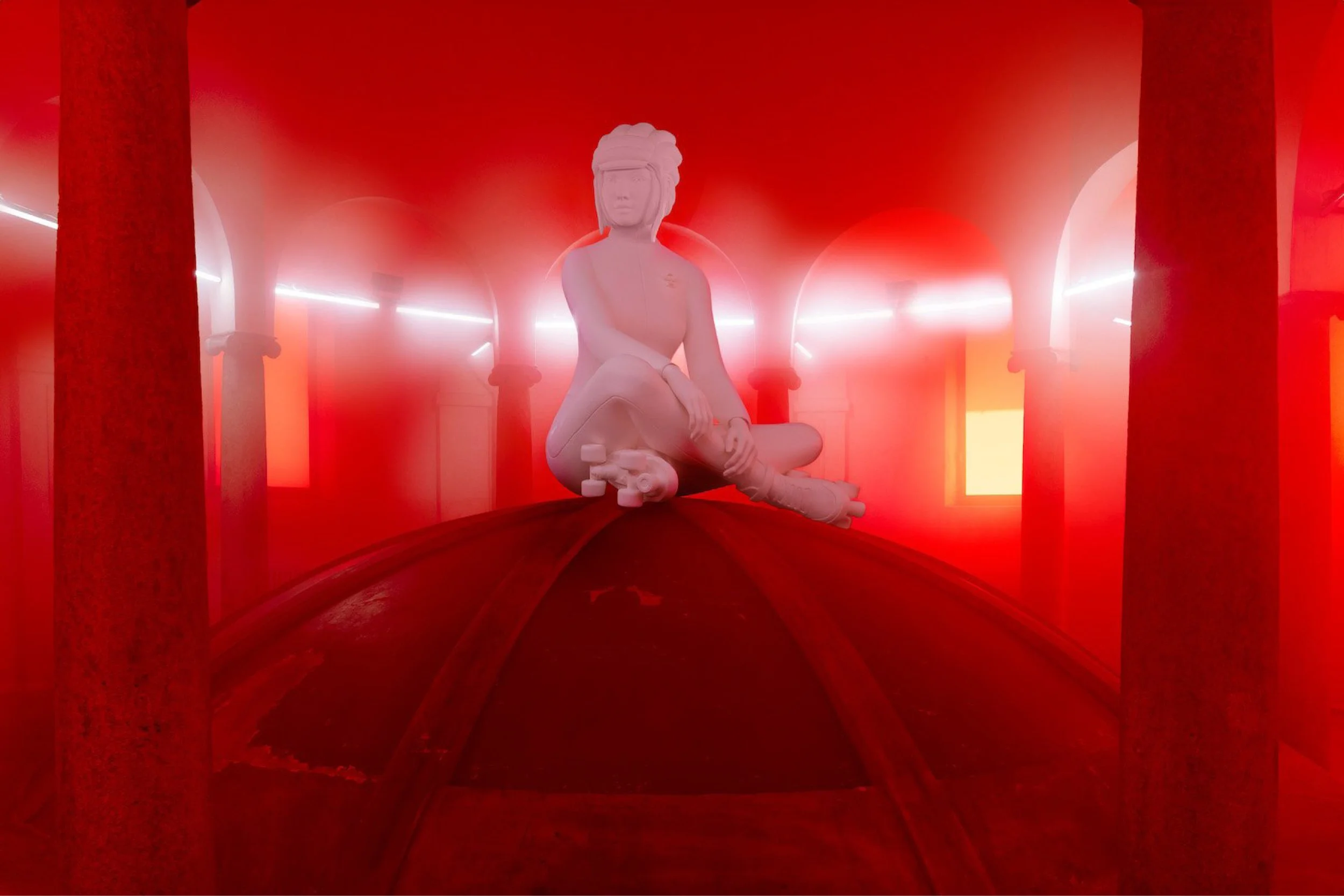
Conceived by Atelier Biagetti to celebrate the 50th anniversary of MCM, this was certainly the most ‘out there’ presentation of the week – typical of the joyful, tongue-in-cheek approach of Alberto Biagetti and Laura Baldassari. They debuted a series of new collectible design objects exploring the aesthetics of space travel through narrative forms within a performative environment shaped by sound as invisible architecture. Photographs: Alex Majoli
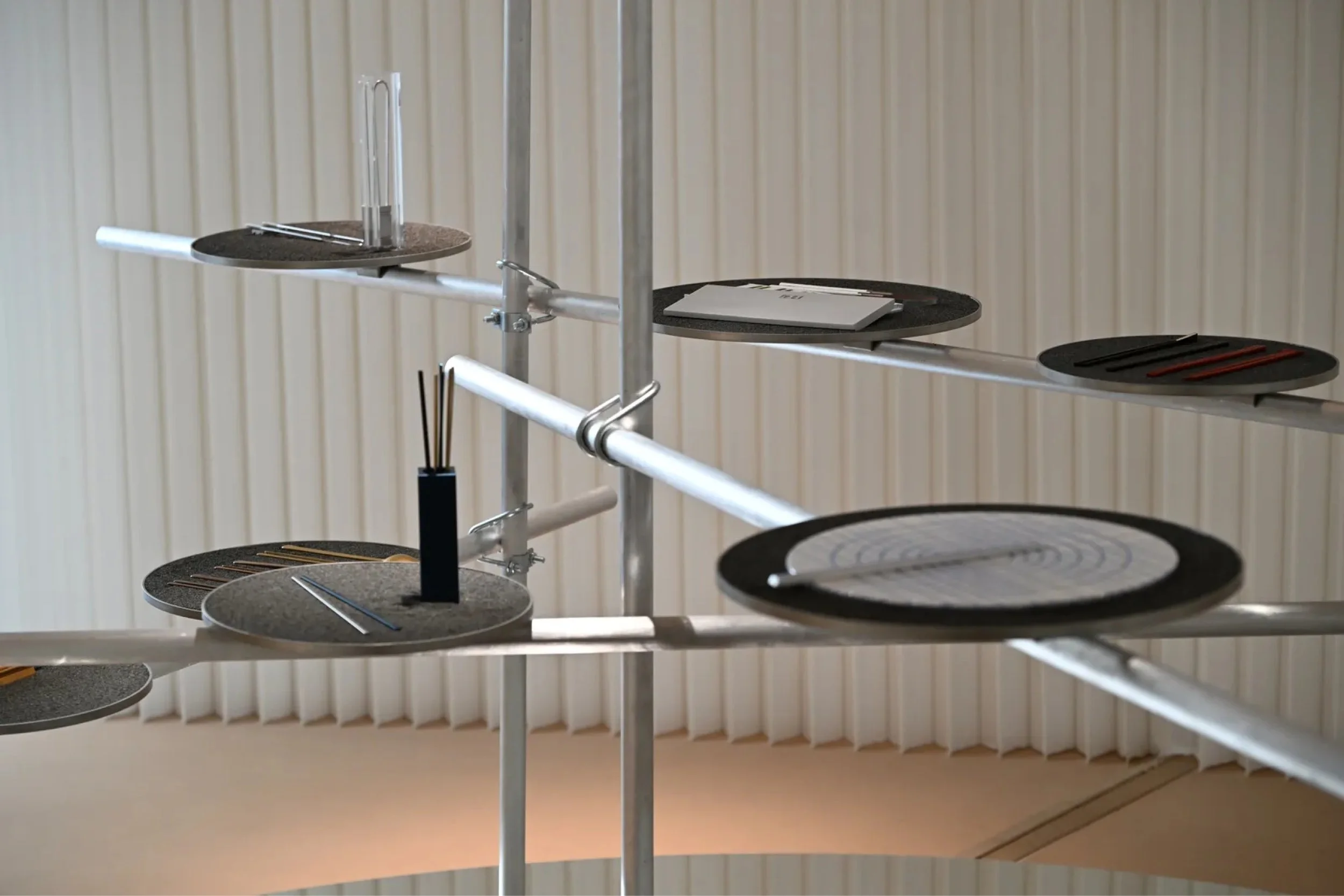
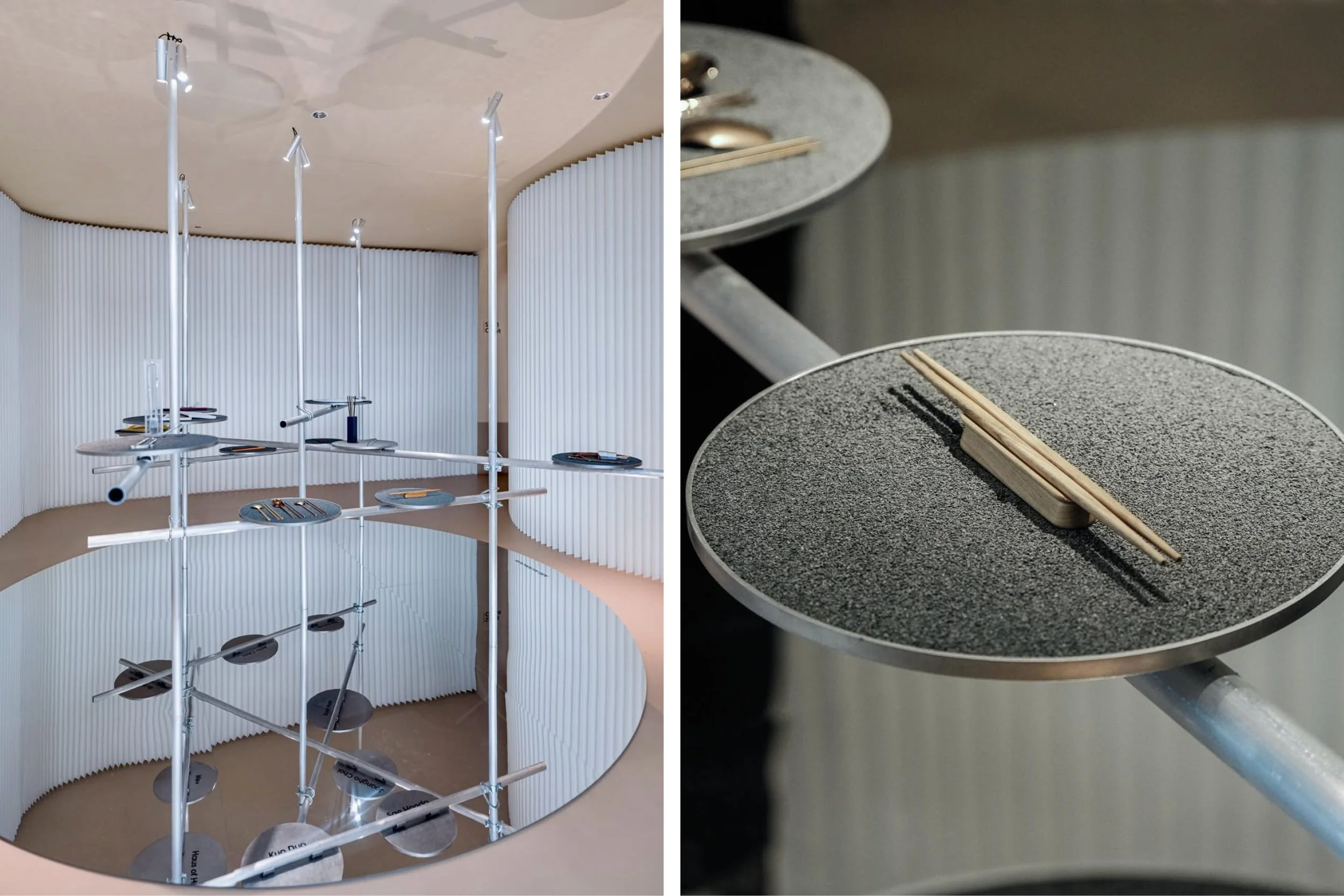
CHOPSTICKS
Curated by Yoko Choy, CHOPSTICKS showcased 16 creatives from China, Japan, South Korea, and beyond who offered their own interpretations of this everyday utensil.
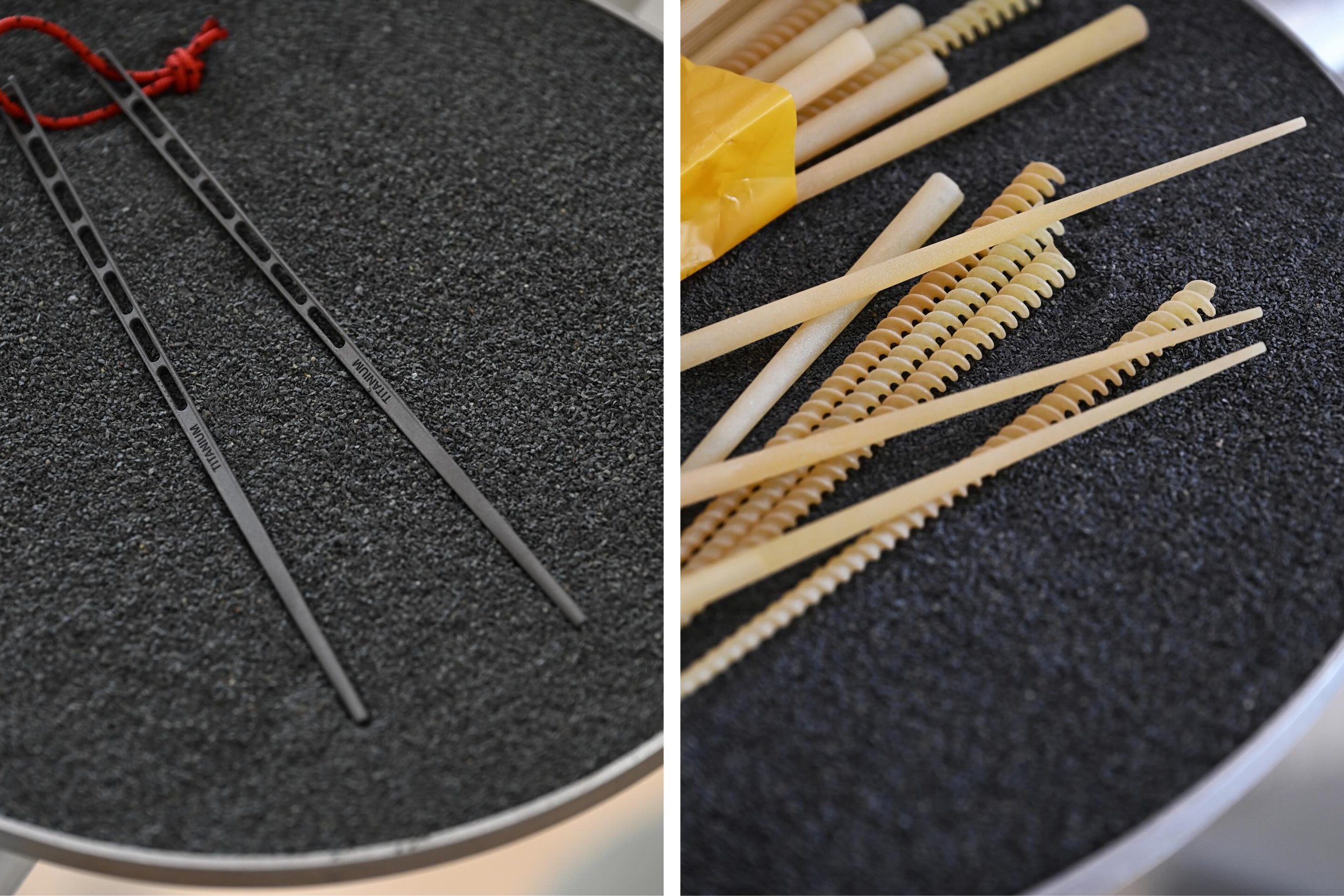
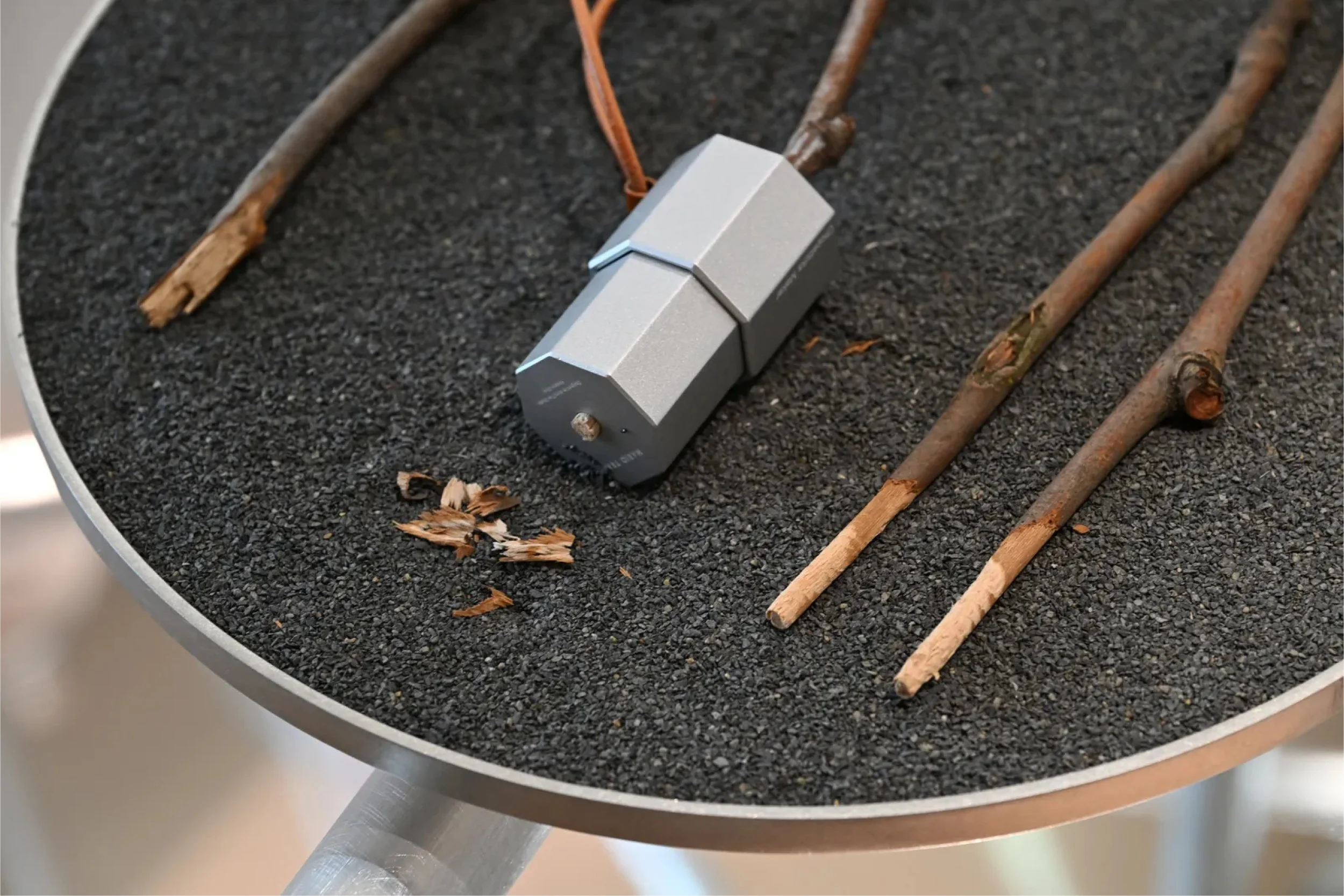
There were some radical ideas: South Korean studio Niceworkshop reimagined the very form of chopsticks by replacing the traditional pair of sticks with a single U-shaped metal form designed for a more intuitive grip and greater precision. Japanese designer Jin Kuramoto developed 'pasta chopsticks' — edible utensils in the form of fusilli and penne made from wheat flour — as a playful response to plastic waste. Chinese designer Mario Tsai devised an aluminium 'chopsticks maker' — essentially a large pencil sharpener that forges chopsticks from freshly cut wood.
Kudos to the clever mirrored scenographic design by AIM Architecture which added to this most charming of presentations. Photographs: Mario Tsai
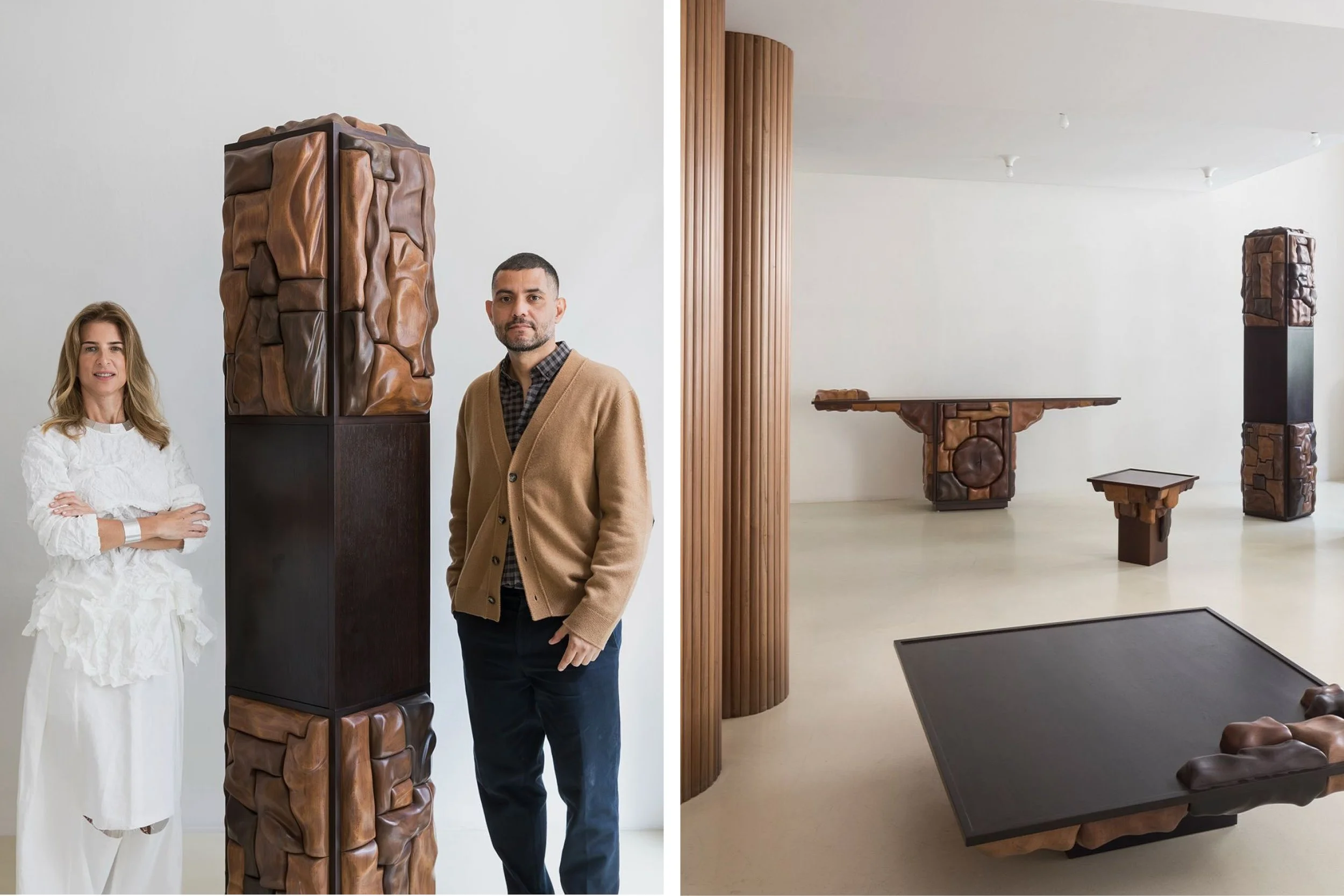
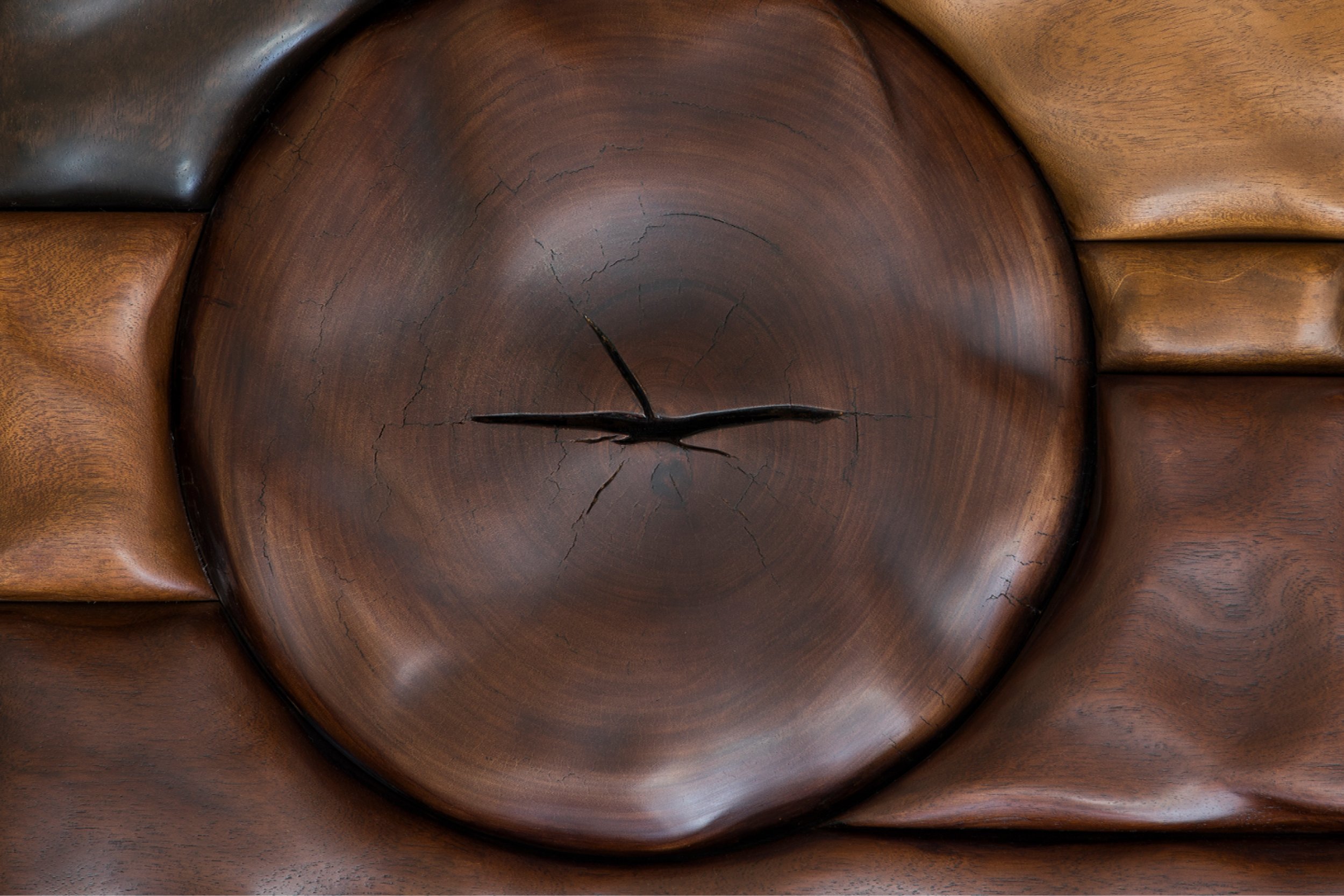
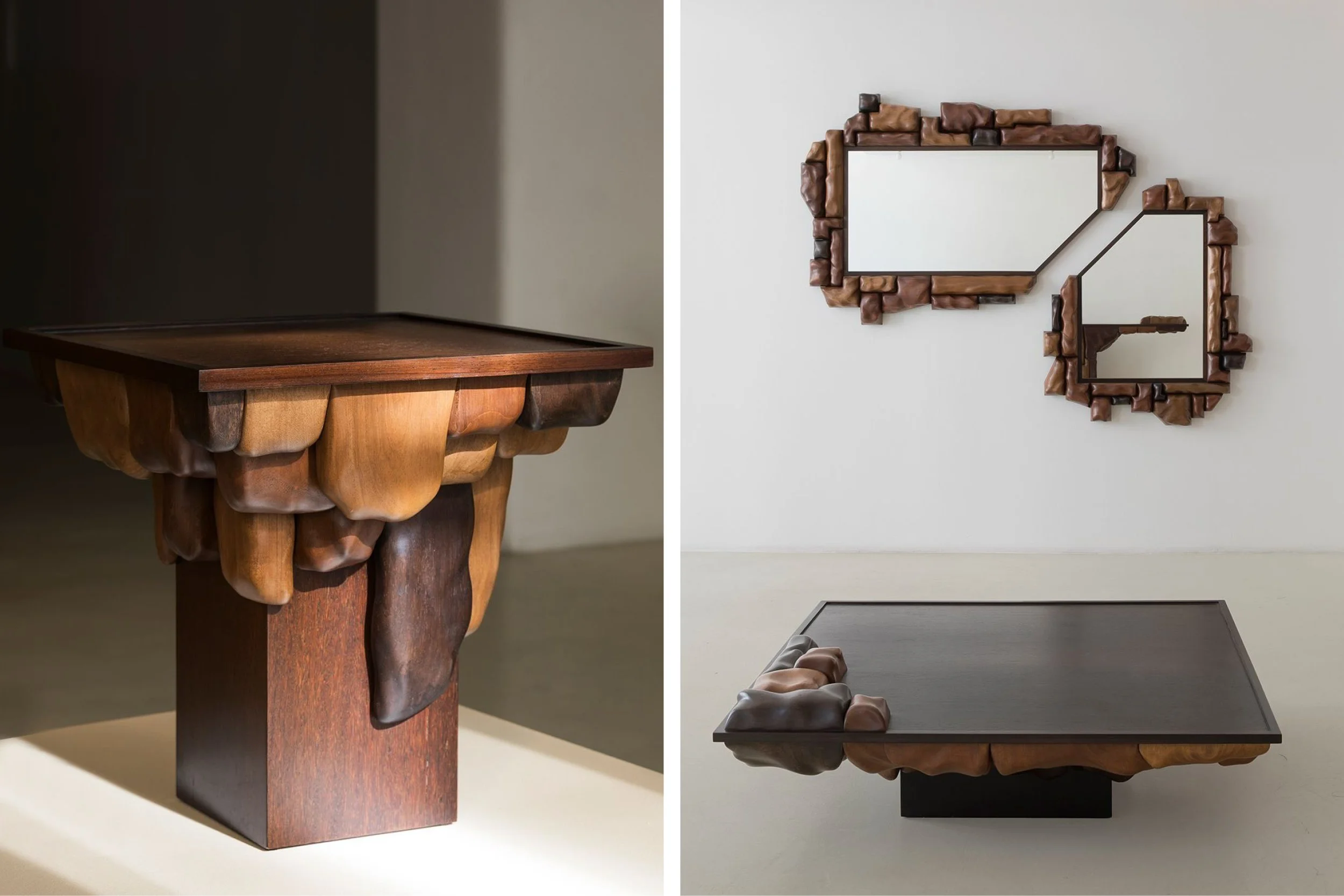
ETEL ENTROPIA x Cristián Mohaded
A collection born from wood fragments accumulated over years of production in the ETEL atelier. Different species, densities and grains never meant to coexist were transformed into pieces of unique beauty by Argentinian designer Cristián Mohaded and ETEL’s artisans. Photographs: Filippo Bamberghi
Uzbekistan: When Apricots Blossom
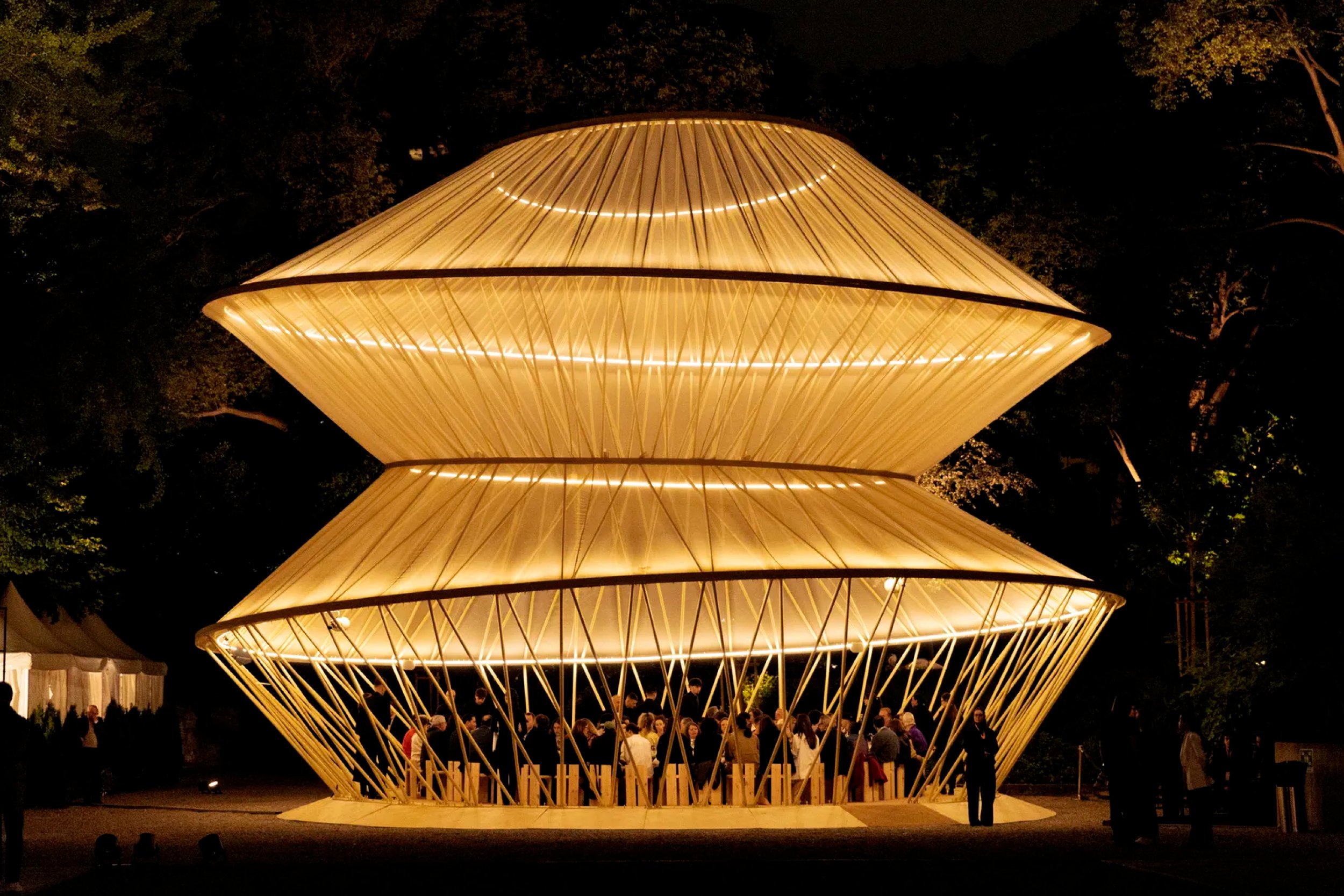
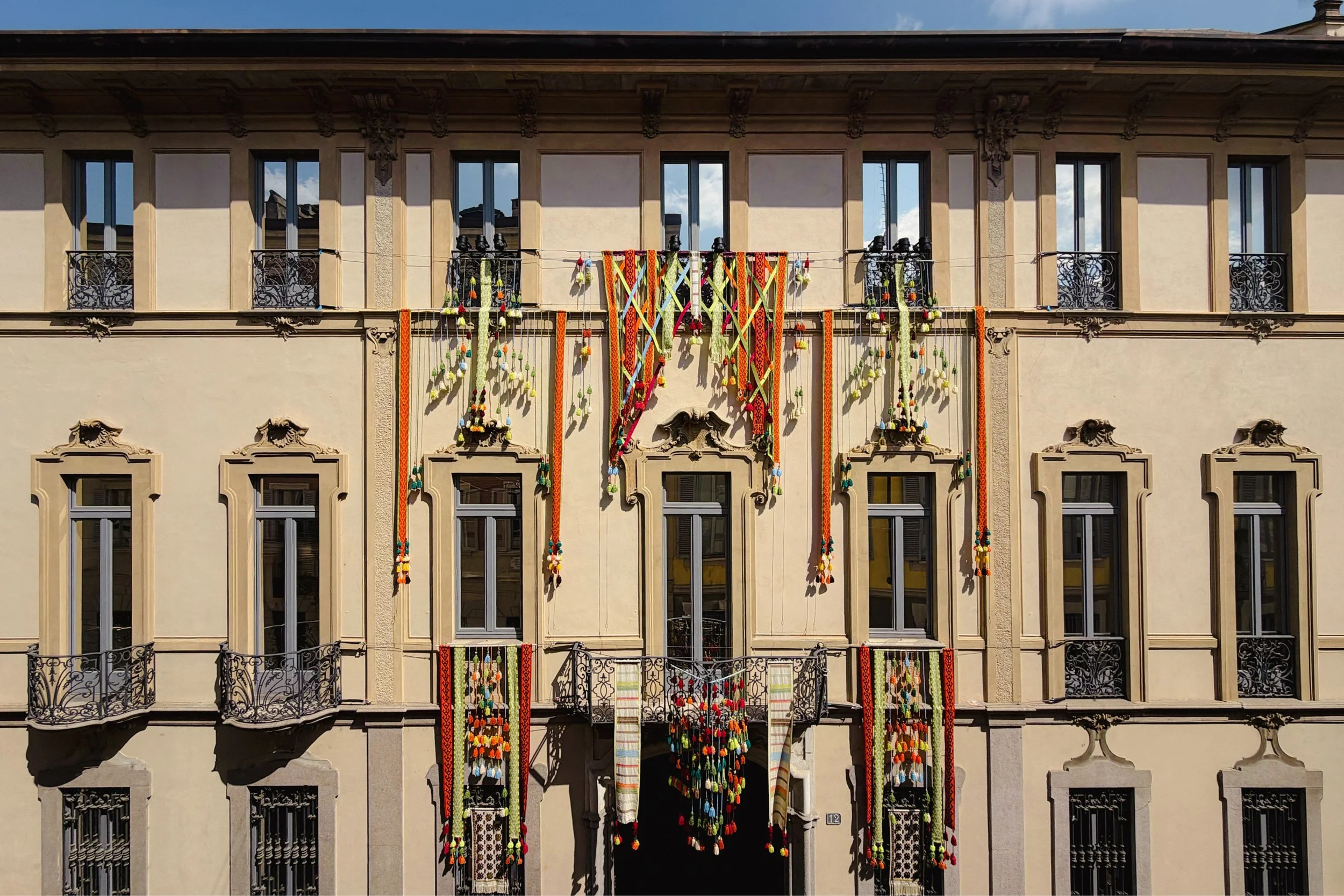
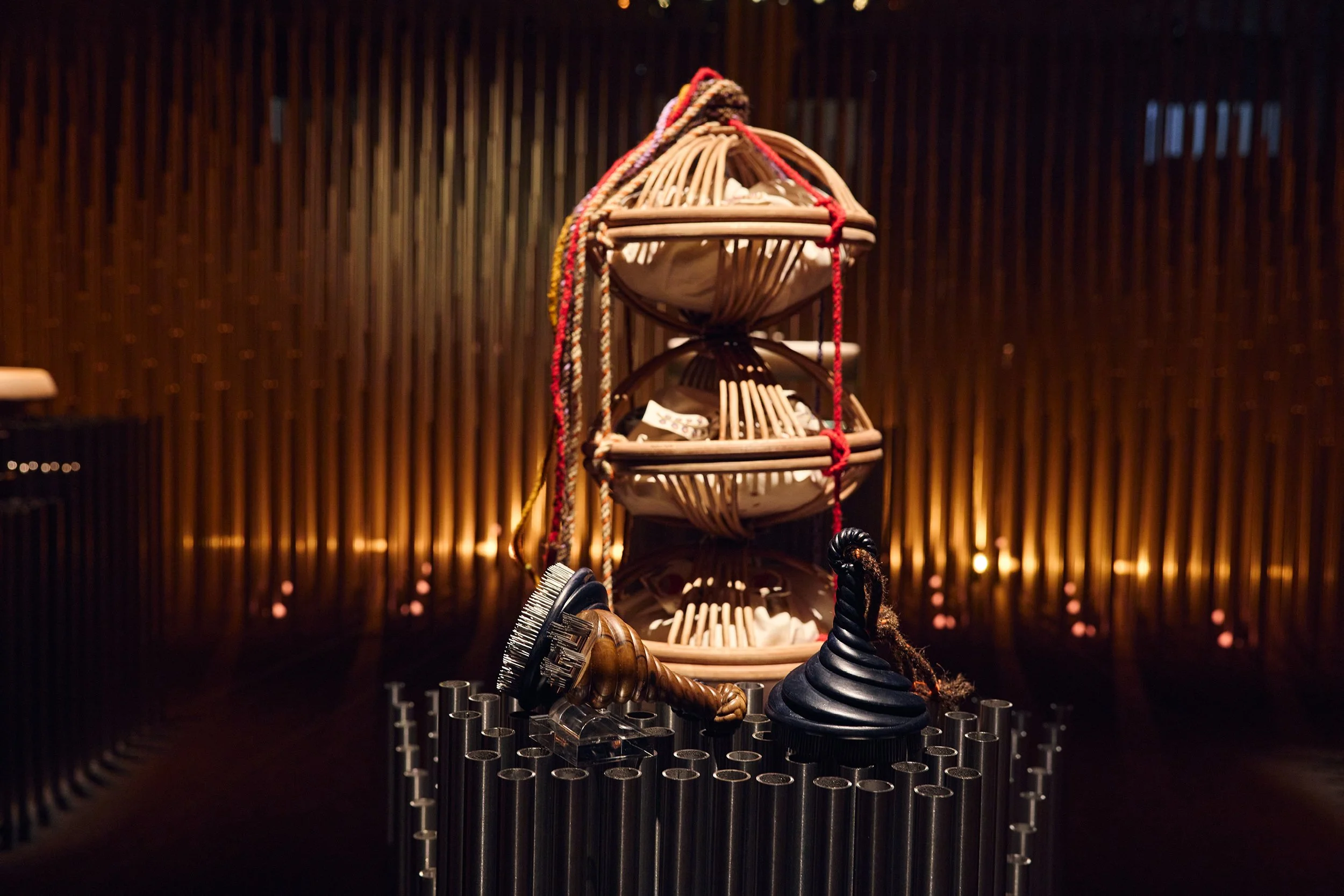
Curated by architect Kulapat Yantrasast of WHY Architecture, the show presented twelve international designers – including Bethan Laura Wood, Marcin Rusak, Fernando Laposse, Nifemi Marcus-Bello and Bobir Klichev – who made new commissions in direct collaboration with Uzbek artisans.
Each designer created a bread tray and two bread stamps using materials such as wood, silk, felt, ceramic and reed – all native to Karakalpakstan, an autonomous republic within Uzbekistan – celebrating the central role of bread in Uzbek culture and hospitality. Meanwhile, a deconstructable yurt in the garden served as a pavilion for talks and workshops throughout the week. Photographs: ACDF

Jil Sander x Apartamento: Reference Library
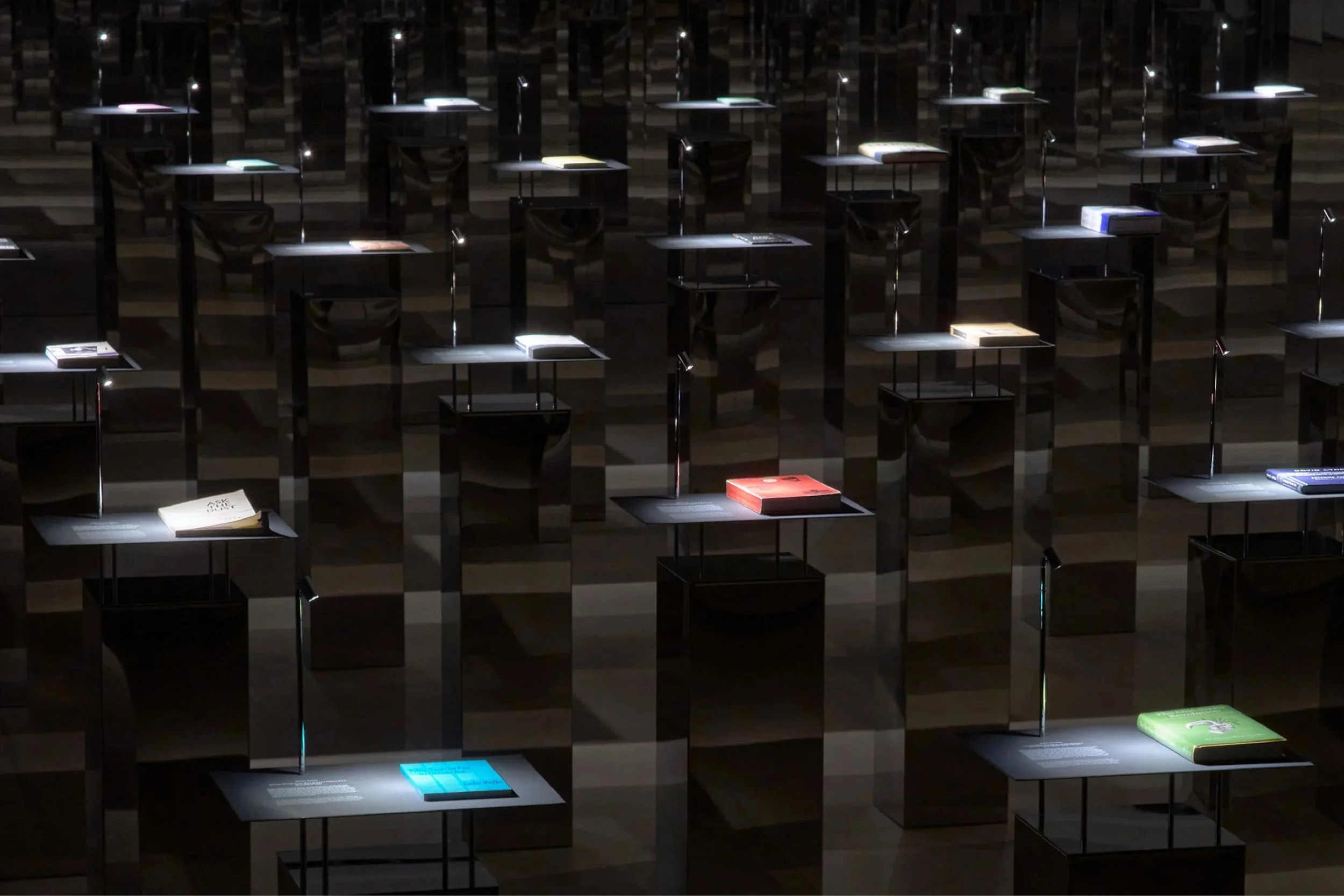
As book lovers, we had to include this reverential homage to the printed word. Conceived by Apartamento in collaboration with Jil Sander creative director Simone Bellotti, sixty books were chosen by a different writer, designer, artist, architect, filmmaker, or thinker – each adding their own personal perspective. Designed by studioutte, the books were presented on chrome lecterns, each lit with a single beam, while white gloves were offered to every visitor. The exhibition was a tribute to the power and attentive presence of the physical book: a poignant reminder in an era of distracted, fragmented attention shaped by algorithms. Photographs: Andrew Gough



Three Tremendous Textile Tales
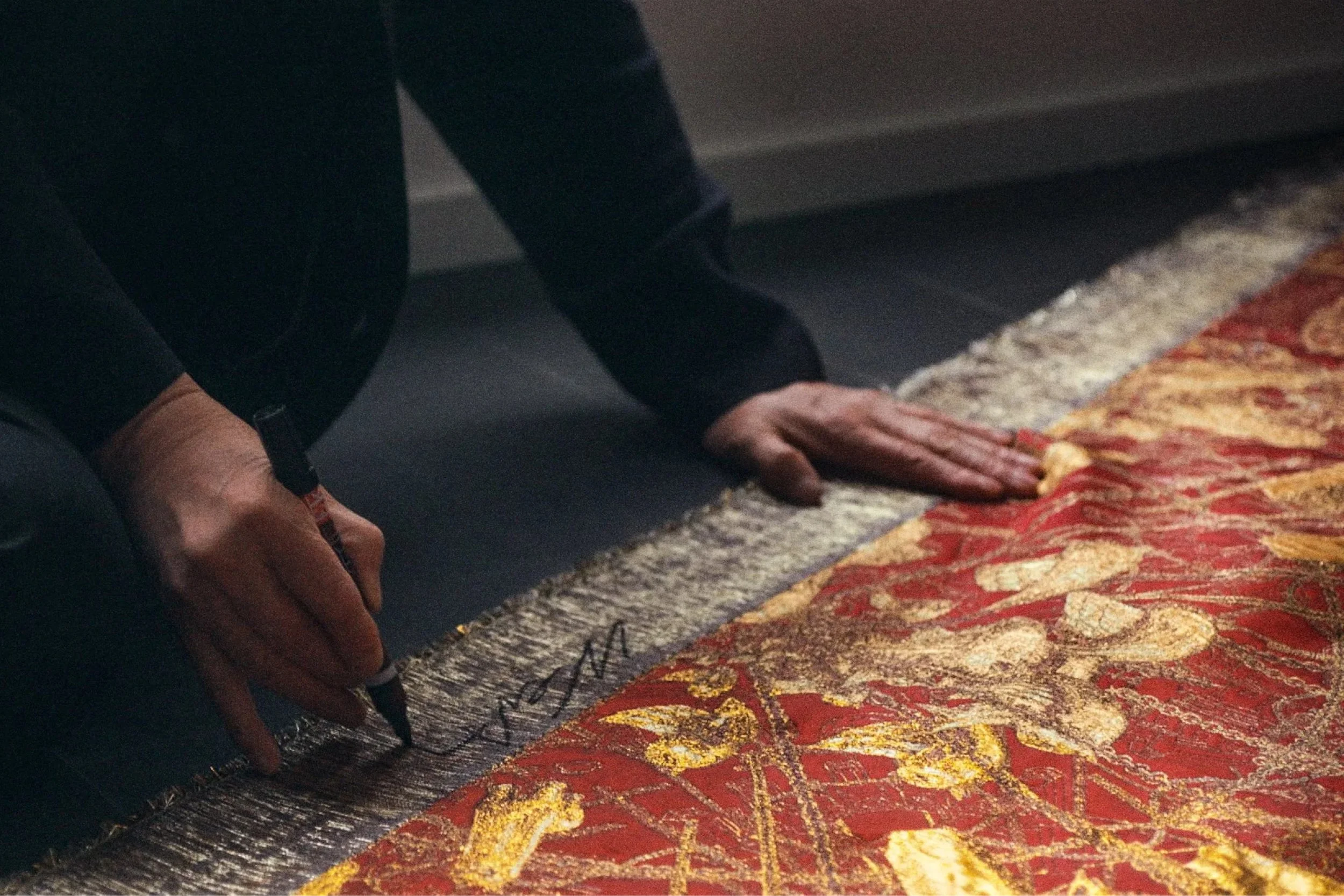
Rubelli x Ai Weiwei
At Rubelli’s HQ on Via Fatebenefratelli, the historic Venetian fabrics brand presented a unique installation with Chinese artist and activist Ai Weiwei.
About Silk weaves together craft, activism, political history and storytelling through 9,600 silk threads coloured in deep red and golden yellow. Those threads formed furniture and large lampas containing idiosyncratic Ai Weiwei motifs: handcuffs and chains, surveillance cameras, llamas (a symbol of freedom and resistance to internet censorship in China), and the Twitter bird (RIP).
Fischbacher 1819: Silk Road
Swiss textile house Fischbacher 1819 paid homage to the textures of the Silk Road. In a compelling piece of storytelling, each debut fabric was named after a mythical figure, a topographic landscape or a historic settlement along the legendary trade route.
Kvadrat: In Rainbows
Textiles, flowers, and phasing soundscapes met in a piece of ephemeral architecture. At its centre was Twisted Flower, a new woollen upholstery textile uniting the colour mastery of Giulio Ridolfo with the weaving ingenuity of the late Frans Dijkmeijer – inspired by their shared love of botanicals.

Prada Frames: In Sight
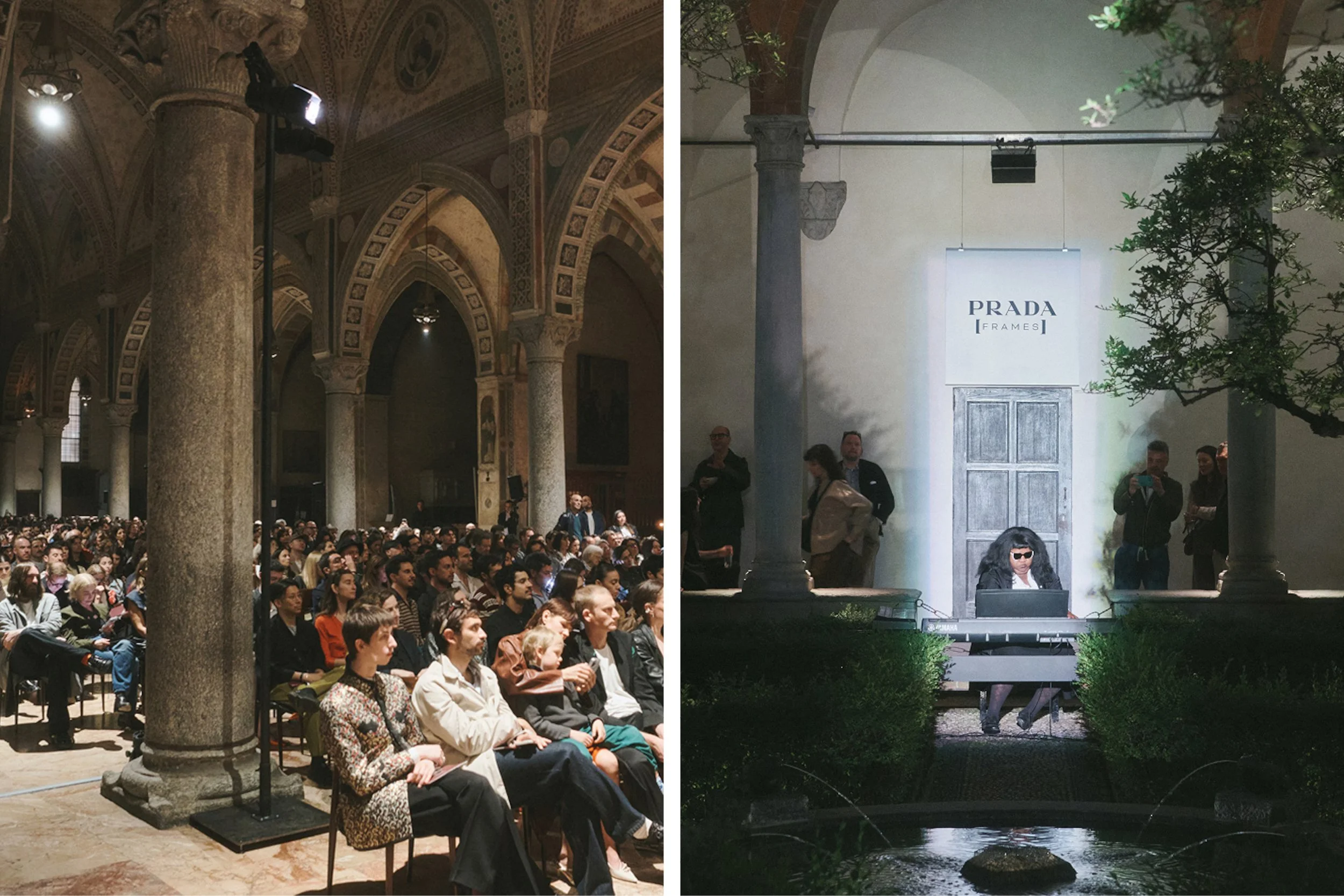
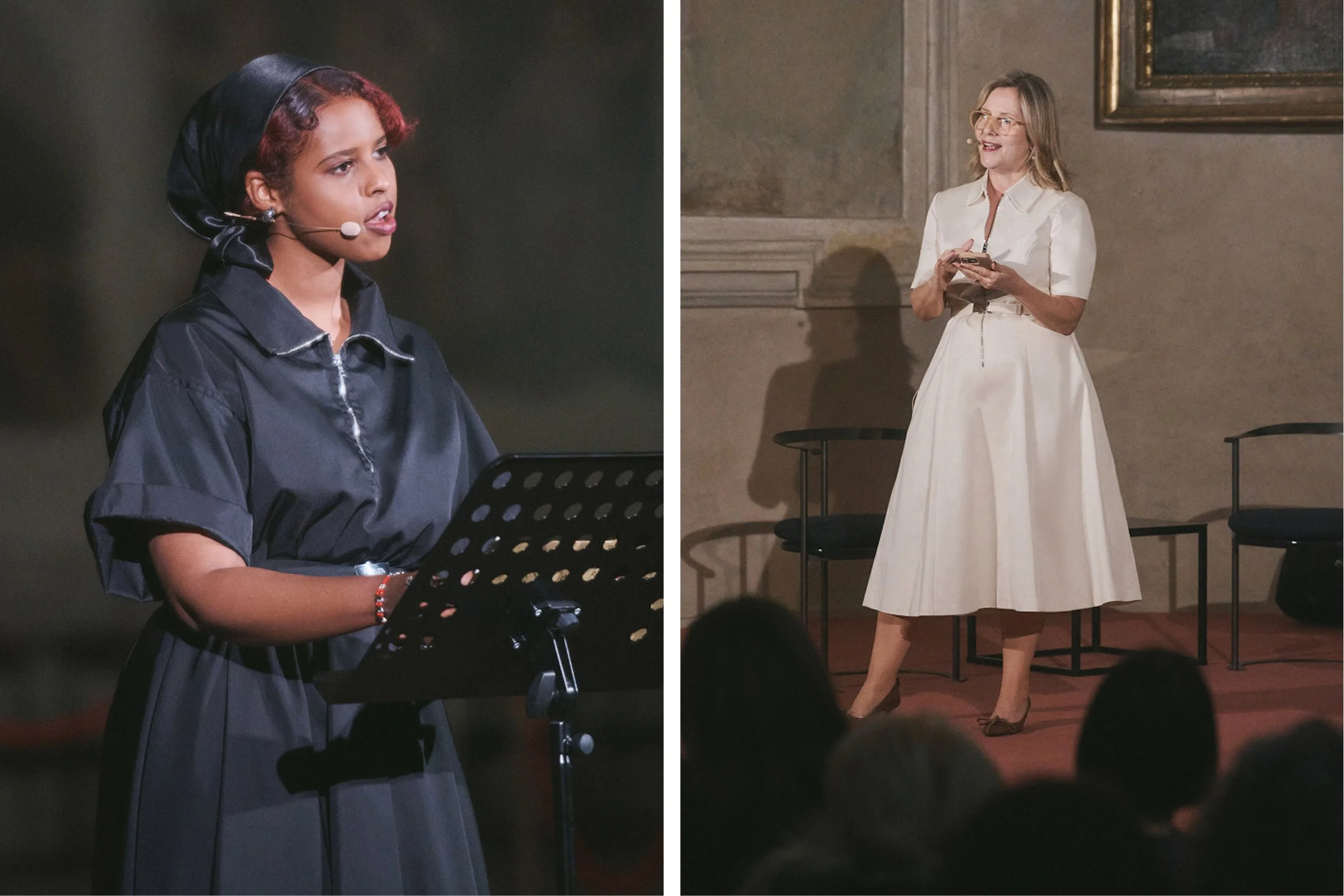
Now in its fifth edition, Prada Frames is the annual symposium curated by design and research studio Formafantasma. Titled In Sight, this year’s symposium focused on image-making – approaching the image as a cultural, political, and material act and examined the gap between the real and the represented.
Located at the Basilica Santa Maria delle Grazie (home to Leonardo da Vinci’s The Last Supper, of which we enjoyed a private tour), the symposium featured contributions from the likes of writer Alice Rawsthorn, artist Alvaro Barrington and curator Hans Ulrich Obrist as well as performances from pianist and composer Hania Rani and experimental pianist Precious Renee Tucker. Photographs: Prada

Mutina
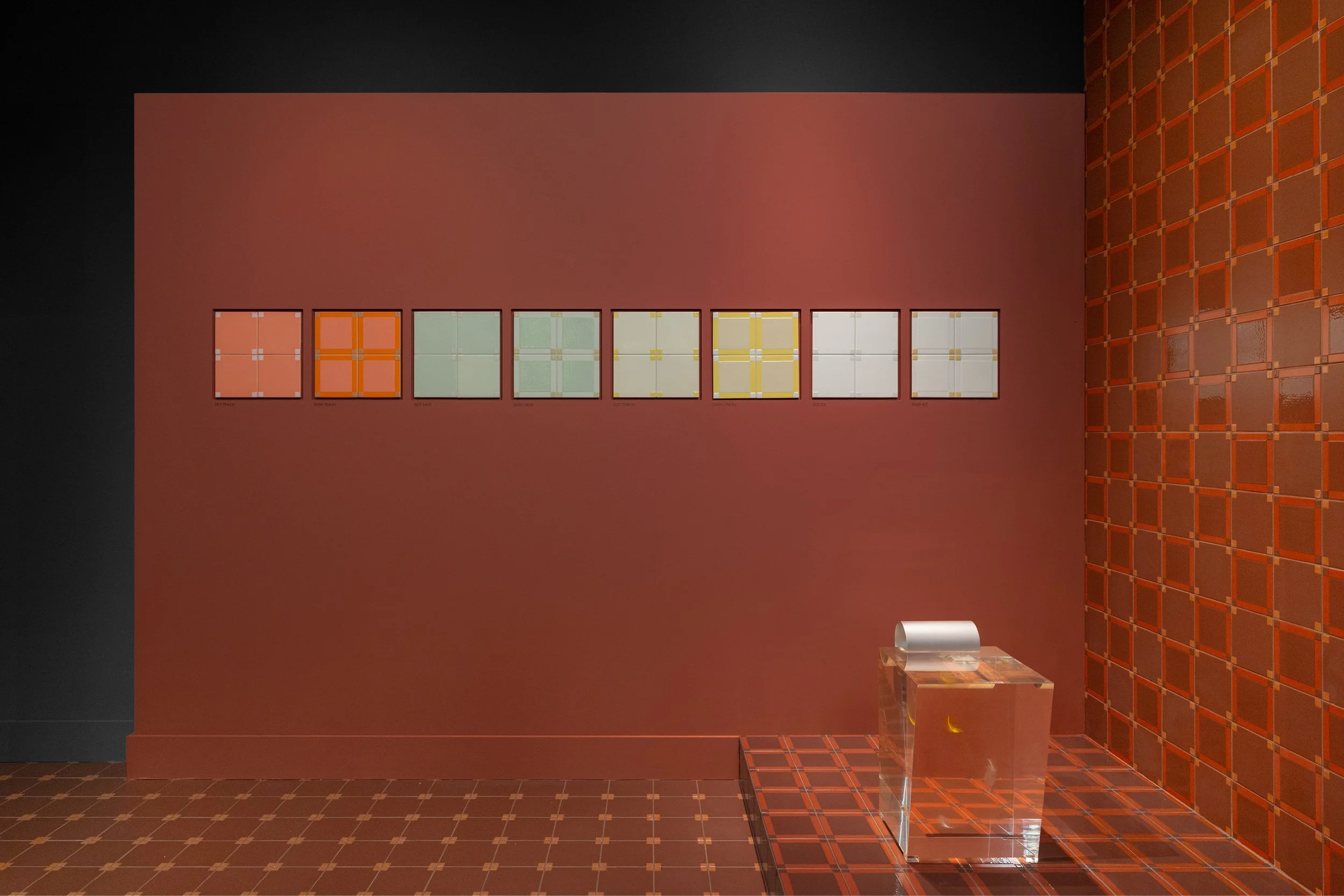
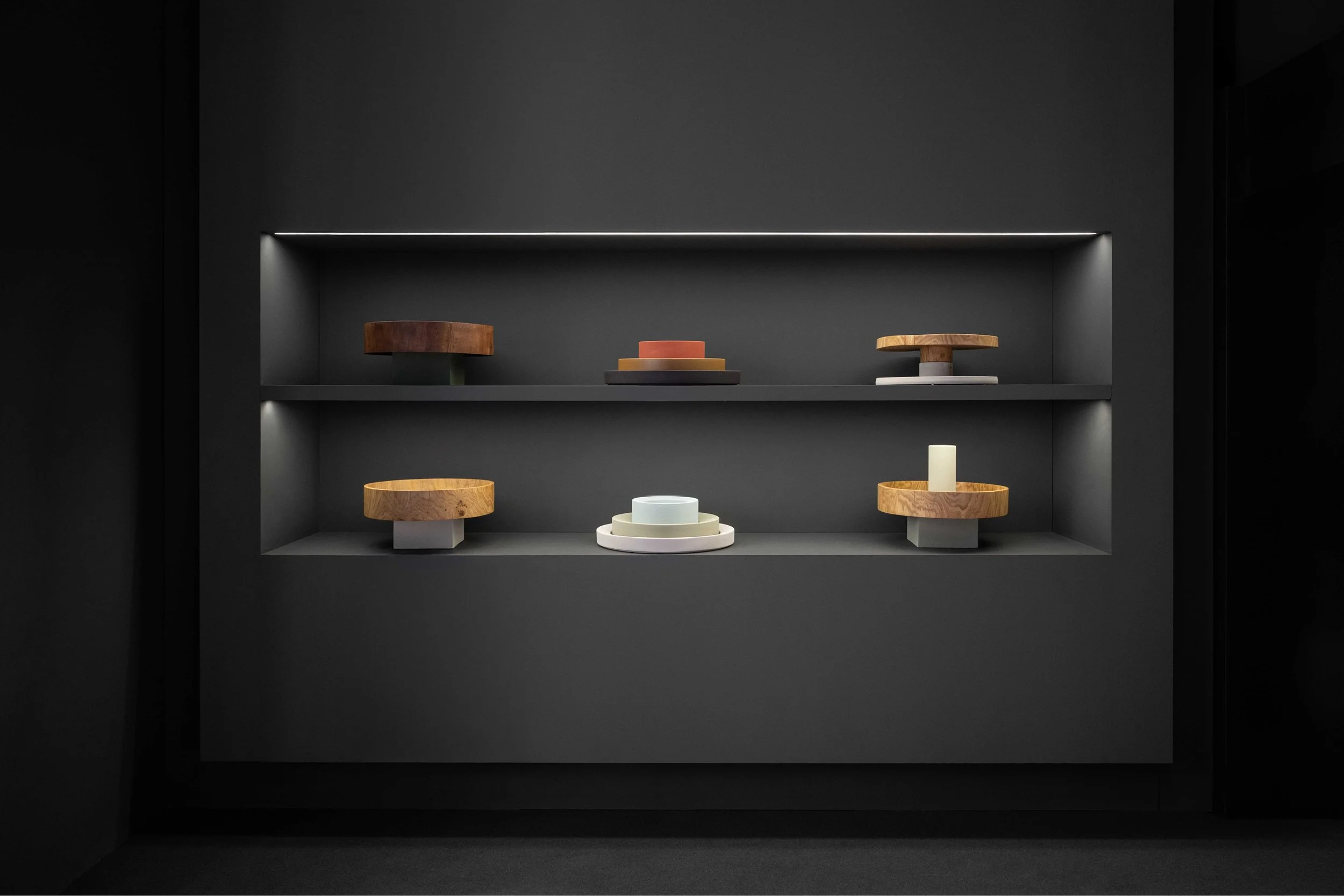
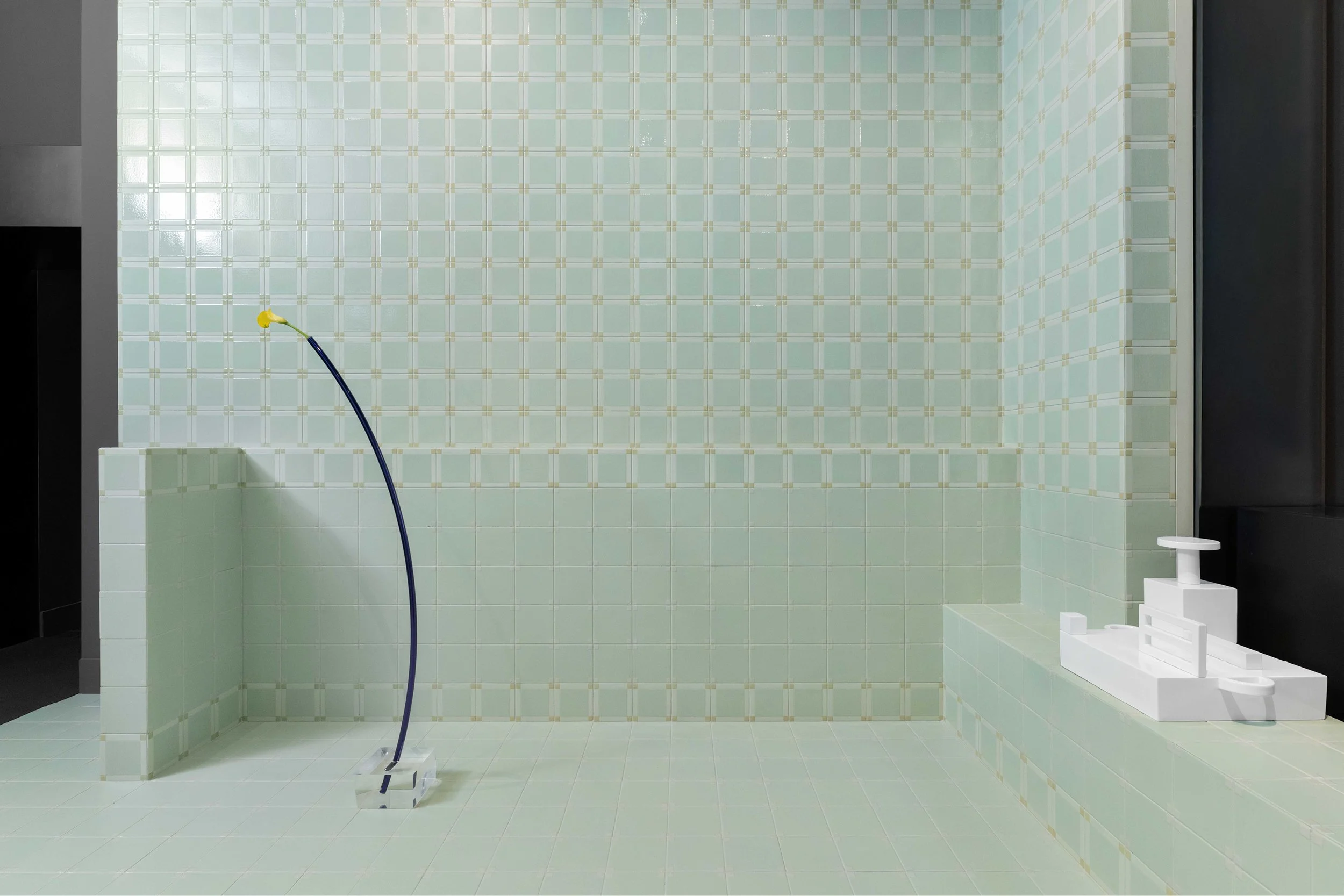
Mutina presented two new collaborations with architecture studio Neri&Hu and The Josef & Anni Albers Foundation.
With Neri&Hu, an exploration of form was experienced through two complementary collections:Weaving featured ceramic coverings inspired by the art of bamboo weaving, while Hé is a new line consisting of tableware objects that reinterpret traditional Chinese ritual geometries.
Colour, on the other hand, lay at the heart of the collaboration with The Josef & Anni Albers Foundation, with ceramics becoming a space of chromatic interaction: layered tones, optical vibrations and light transform each surface into an ever-changing visual experience. Photographs: Michela Pedranti/DSL Studio


RIQUADRO: Bolon x Martino Gamper
For the latest chapter of the ongoing collaboration between Swedish flooring company Bolon and Italian designer Martino Gamper: RIQUADRO reimagines woven flooring as an architectural surface, evolving an underrated element of interior design into a stage of storytelling and artful creativity. Photographs: Bolon
Hermès Home Universe
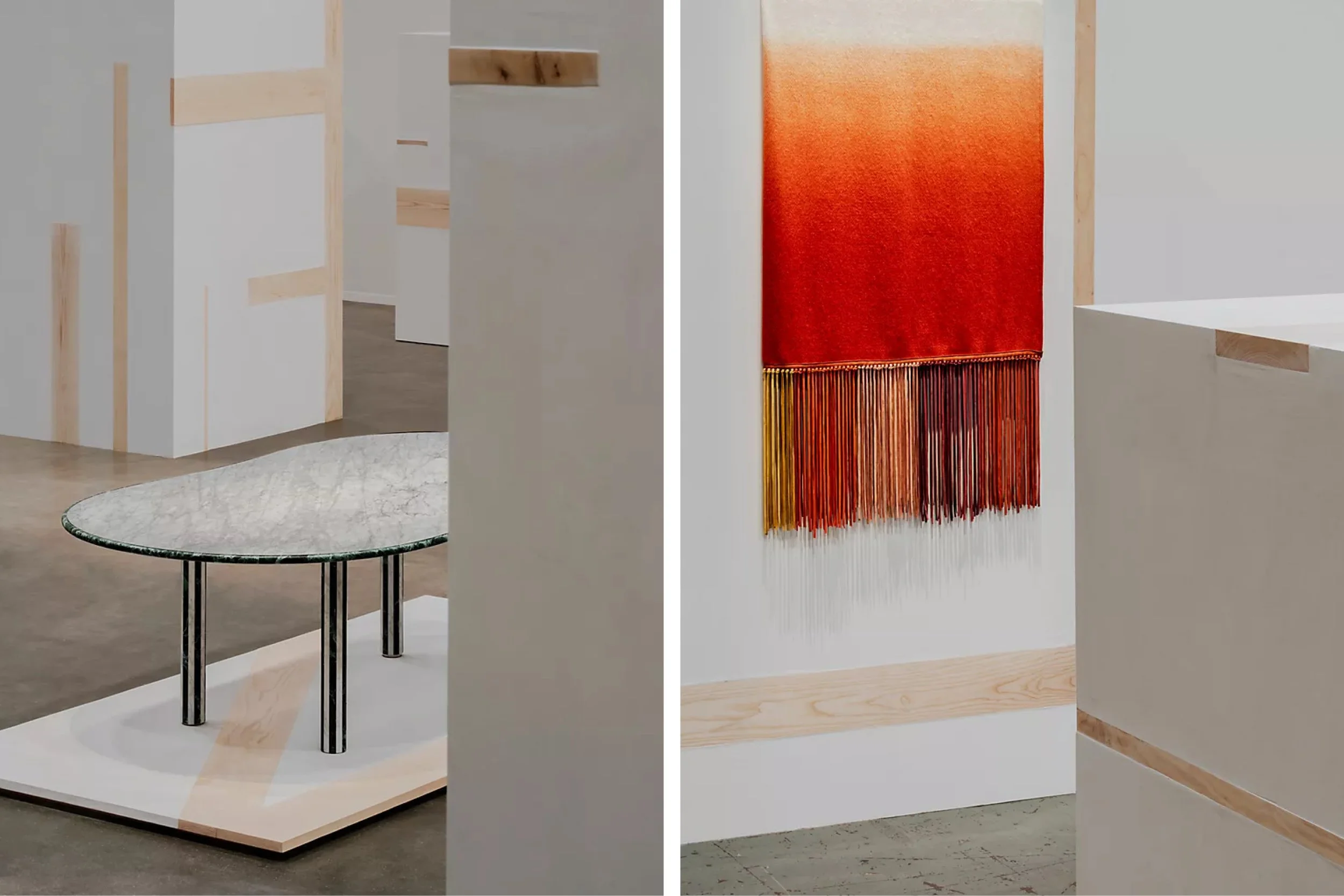
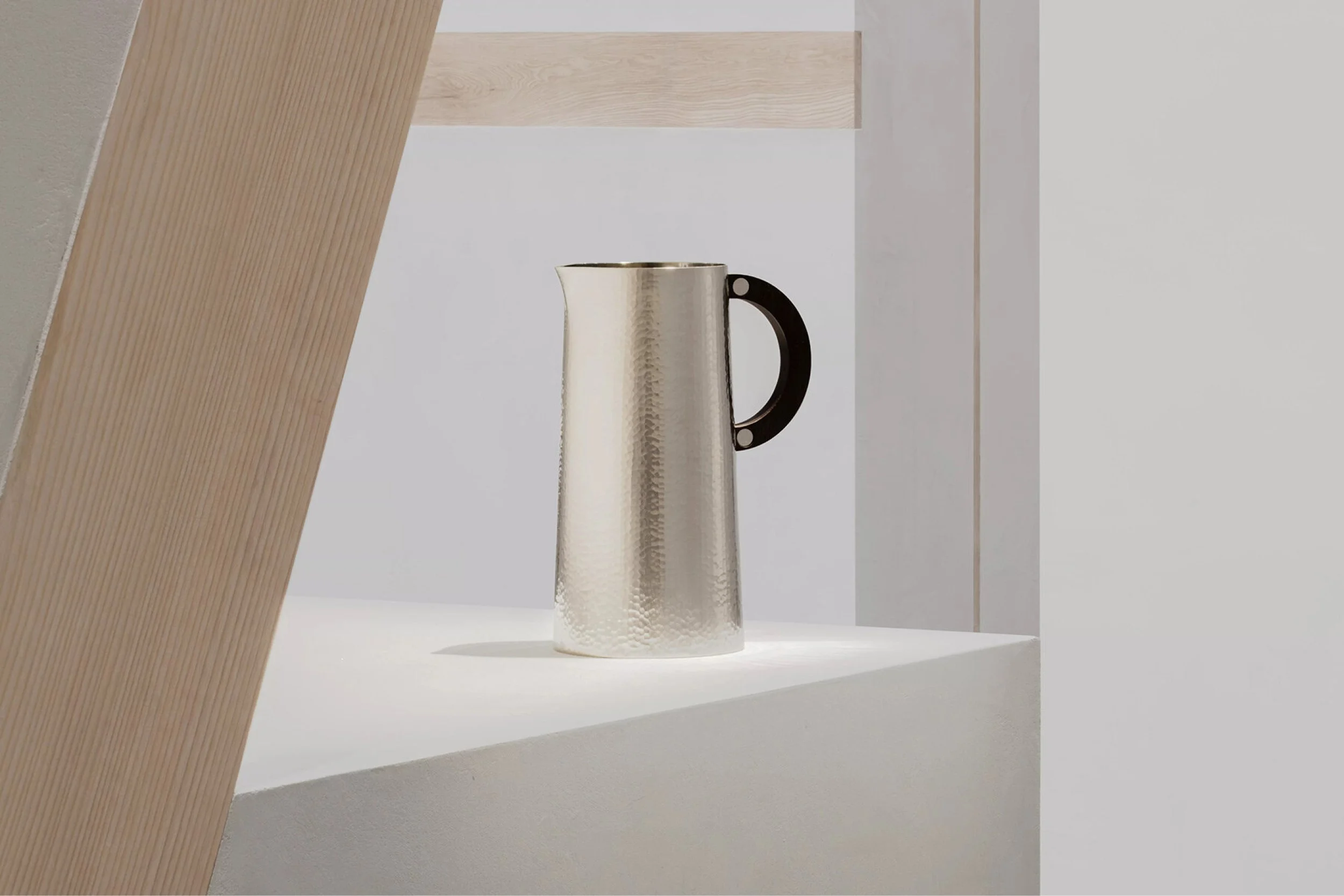
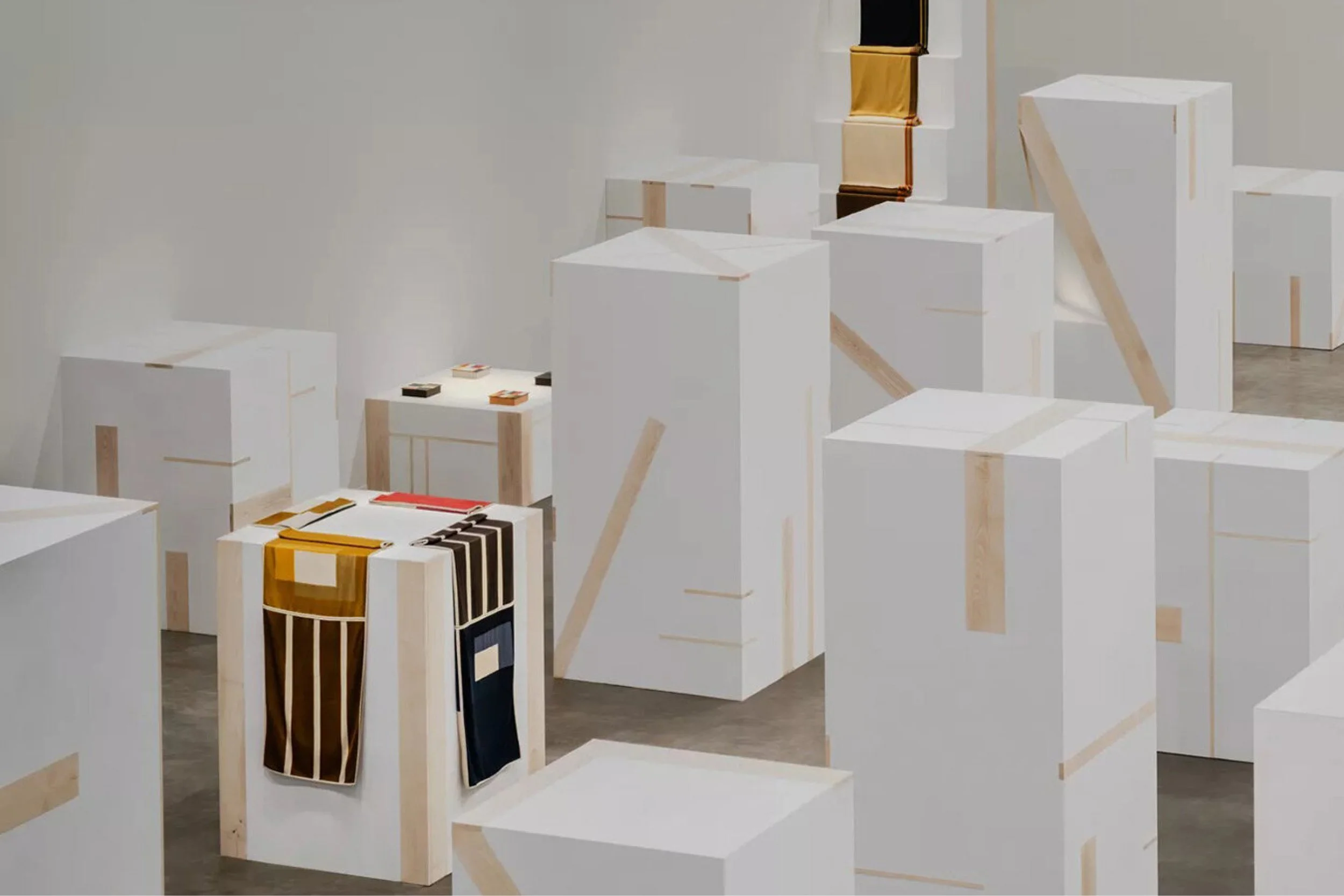
Hermès annual Home Collections presentation at La Pelota on Via Palermo is always a delight. This year they transformed the space into an abstract village of sculptural volumes and the quiet authority of earthly materials. It was a steady continuation of their focus on craftsmanship perhaps best exemplified by the Stadium d'Hermès table designed by Barber Osgerby. Crafted entirely in marble marquetry, its figure-of-eight shape evoked the curve of a horse's back or the oval of a racetrack. Photographs: Hermès


Baccarat: Crystal Crypt
In a theatrical turn, Baccarat unveiled their Crystal Crypt – an immersive, sci-fi-inspired installation by artist and curator Emmanuelle Luciani, inspired by Philip K. Dick’s short story of the same name. The installation featured Mille Fleurs – a new modular chandelier by Bethan Laura Wood. This contemporary reinterpretation of Baccarat’s Zénith chandelier, originally designed in the mid-19th century, also included matching wall sconces, which Wood has affectionately nicknamed ‘the frogs’. Photographs: Philippe Garcia
Marcin Rusak: Florum Florum
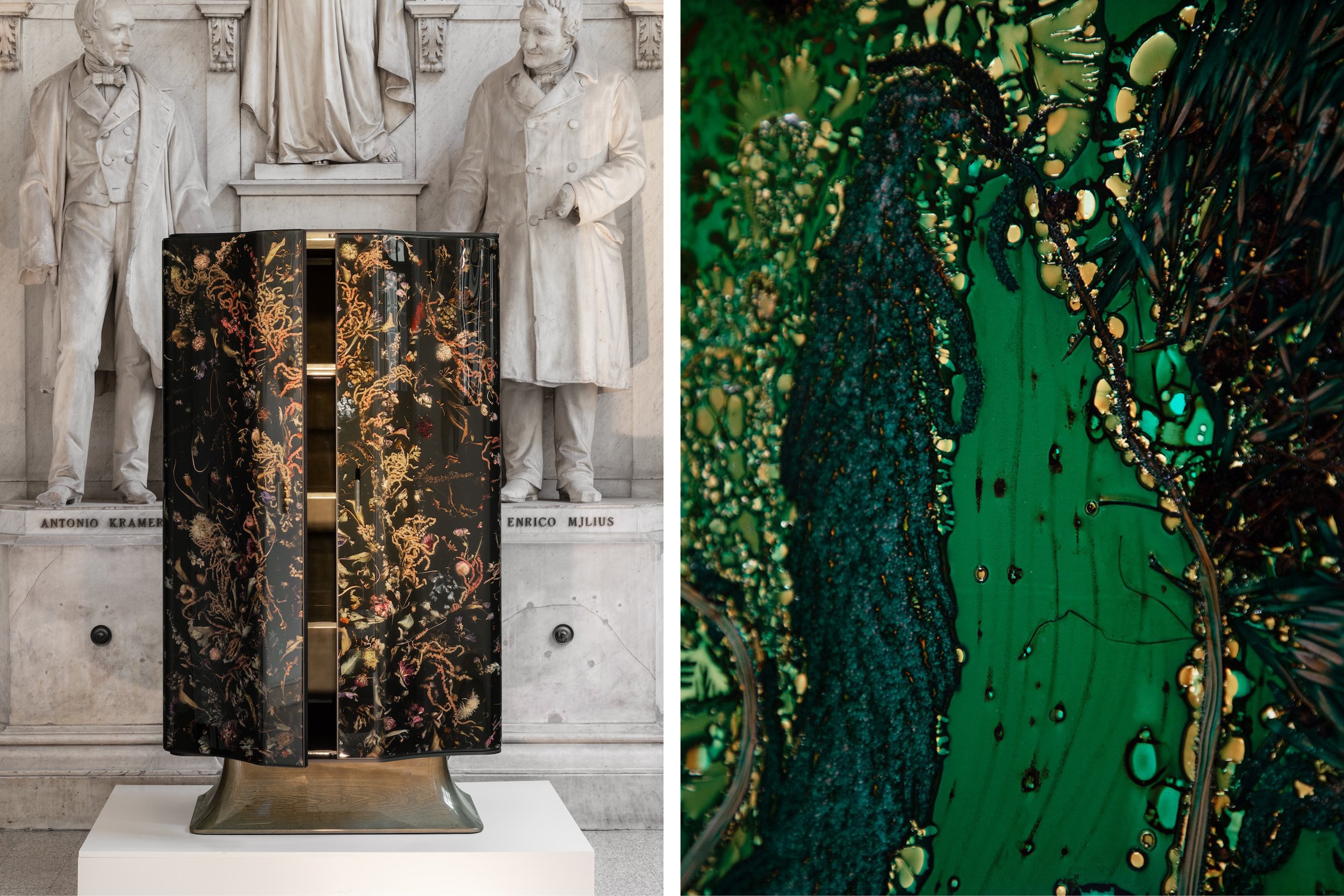
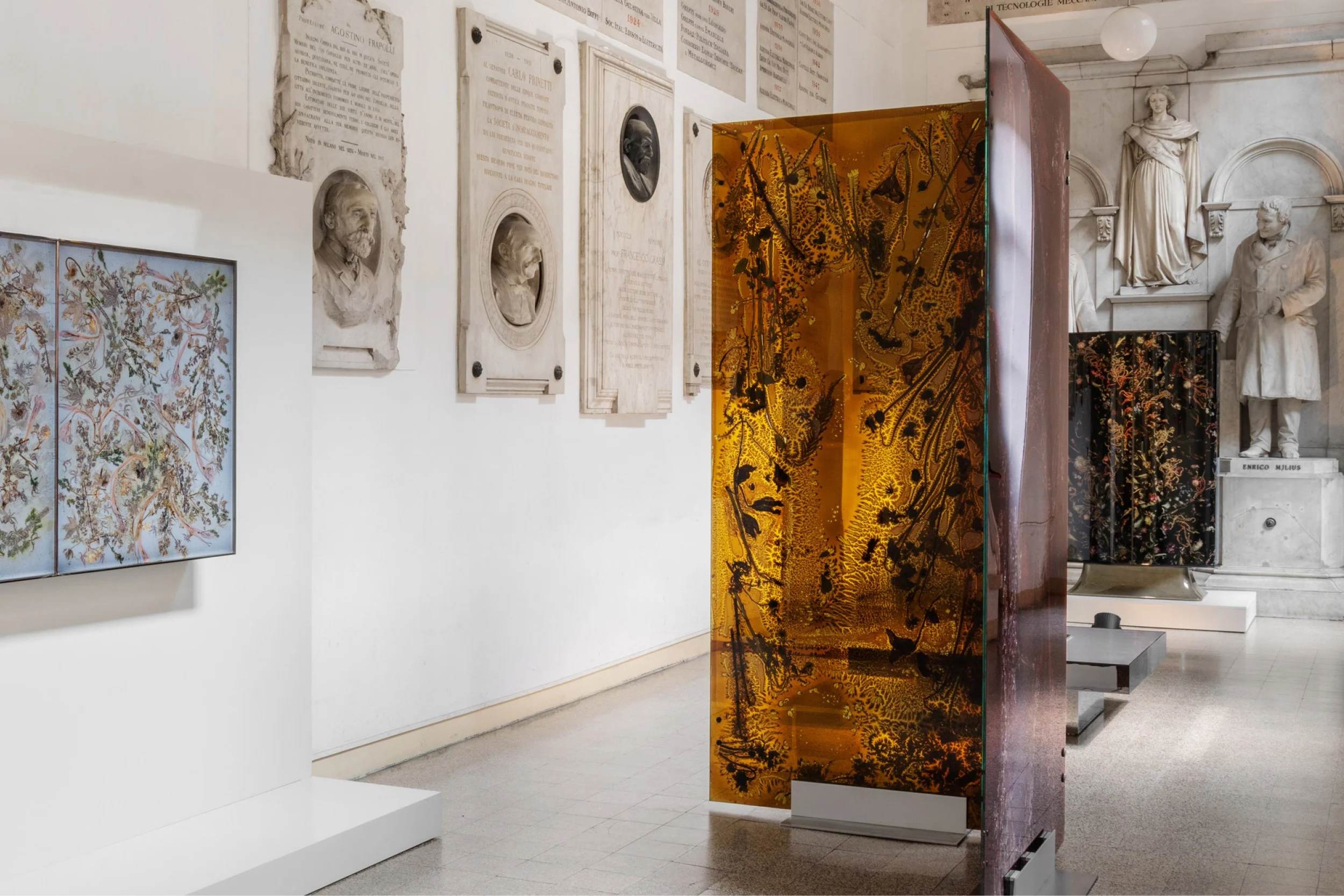
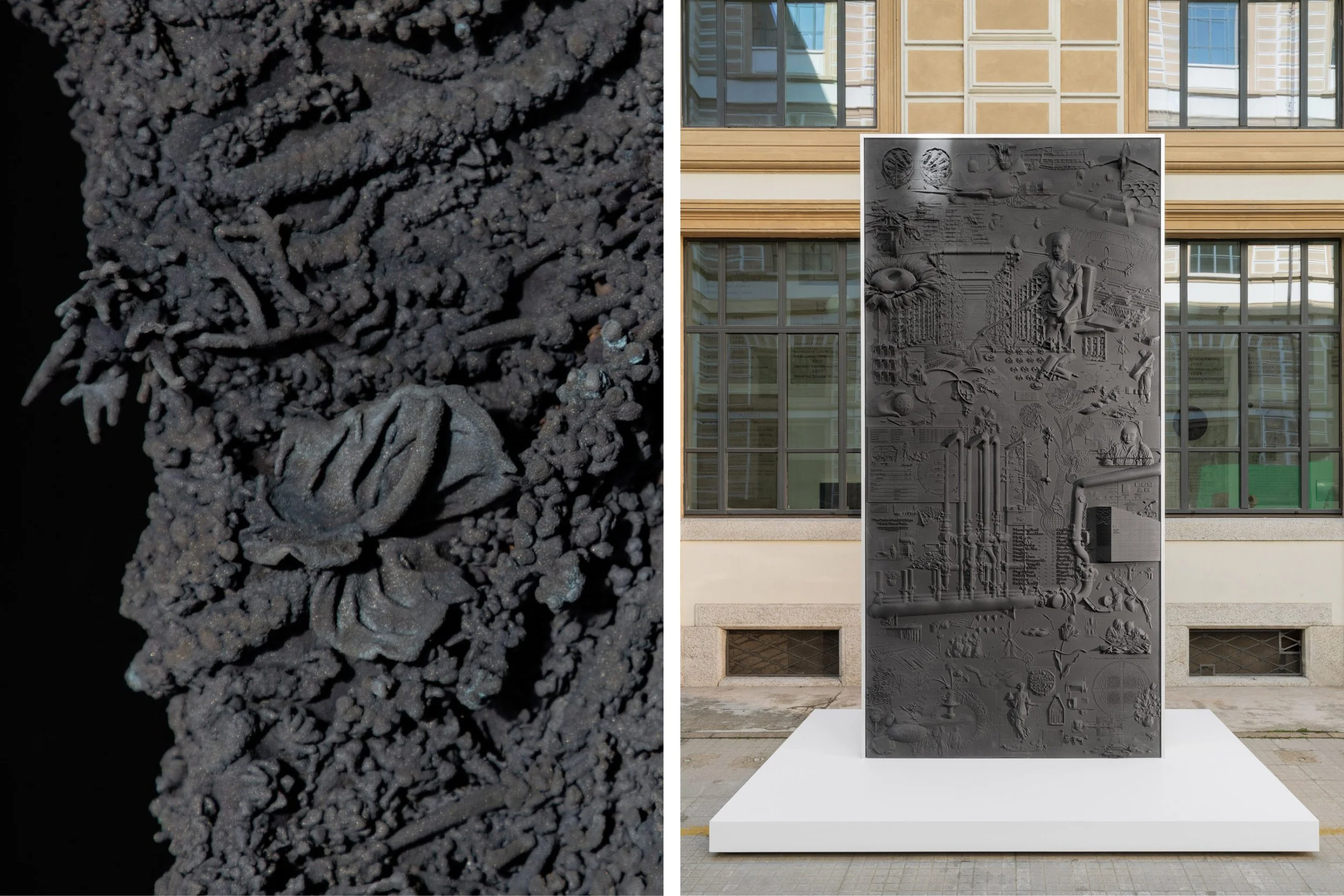
Warsaw-based Marcin Rusak presented Florum Florum, an intriguing exploration of the history of the flower industry as told through resin furniture: cabinets, large reliefs and flower-infused glass, as well as 3D-printed lights. Anchoring the display was Flower Journey, a large relief depicting 87 scenes of stories mapping the history of the cut flower industry. Photographs: Alessandro Saletta
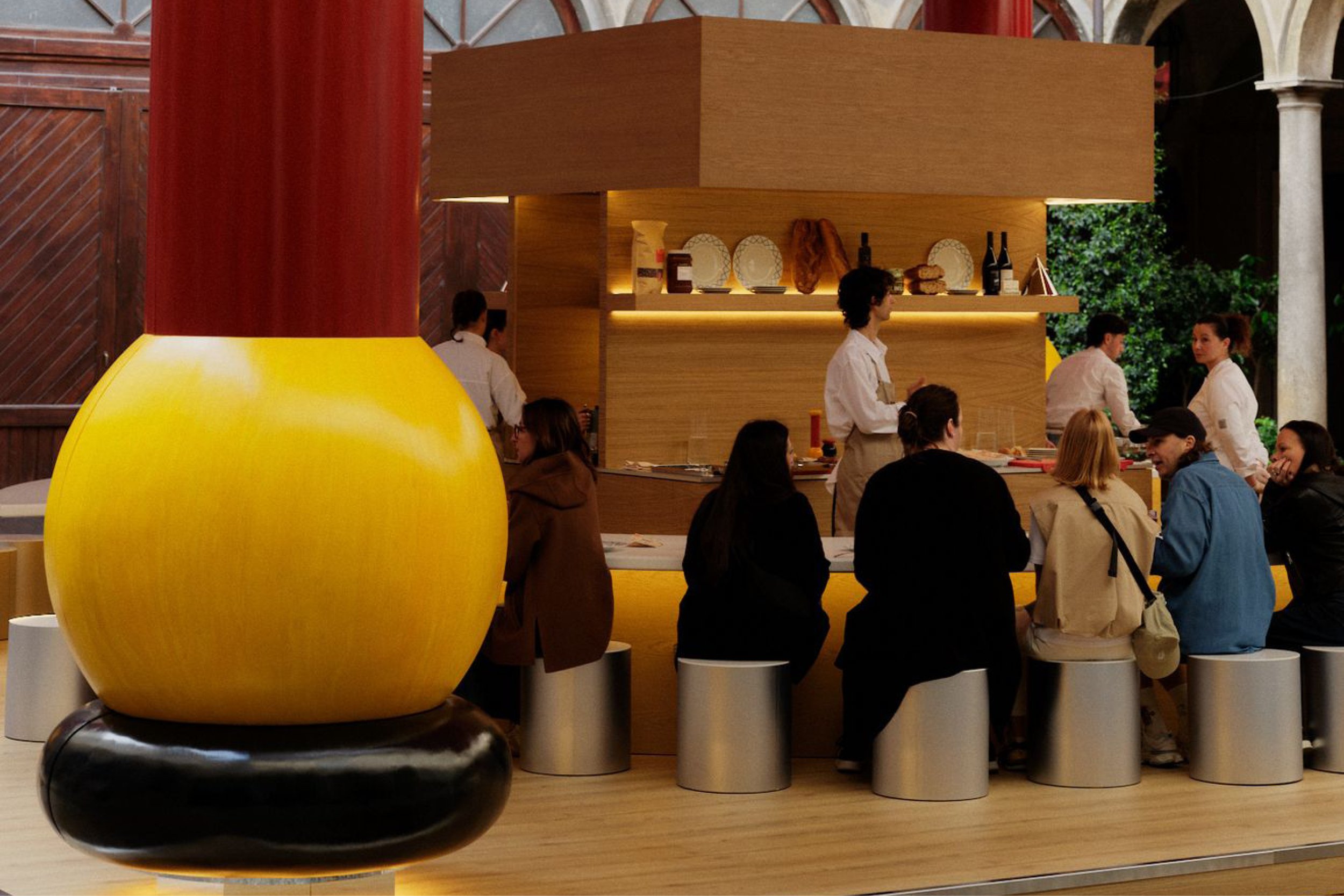
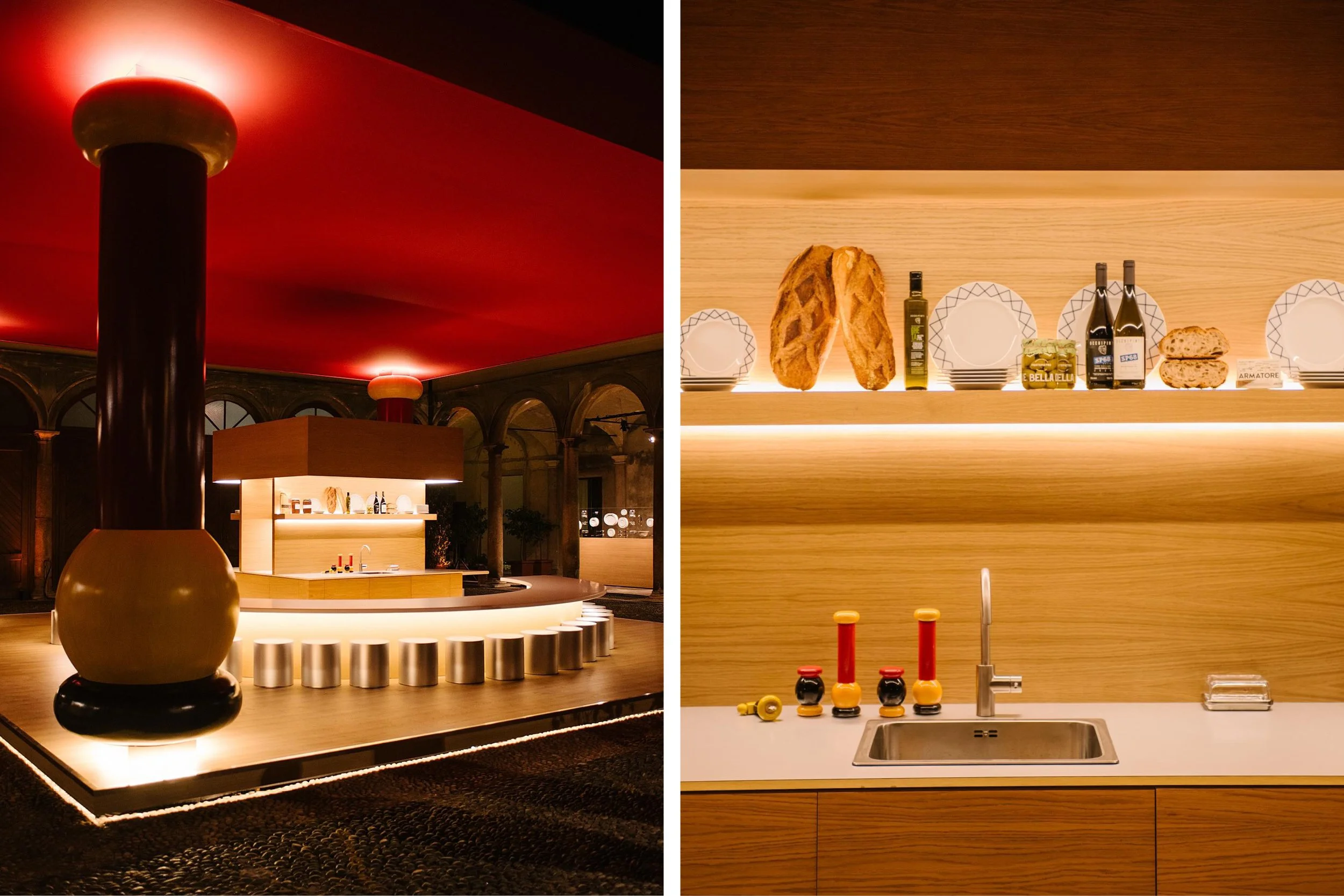
Alessi’s Sottsass Homage
With art direction and curation by Andrea Incontri, Alessi’s installation La Bella Tavola celebrated the table as a place of relationships and ritual. The immersive, oversized pop installation presented at Palazzo Stampa di Soncino, paid tribute to the legendary Ettore Sottsass and announced the re-release of the namesake porcelain table service. Originally designed by Sottsass for Alessi in 1993, it is now reissued in classic white and decorated versions. Photographs: Bernhard Forstén
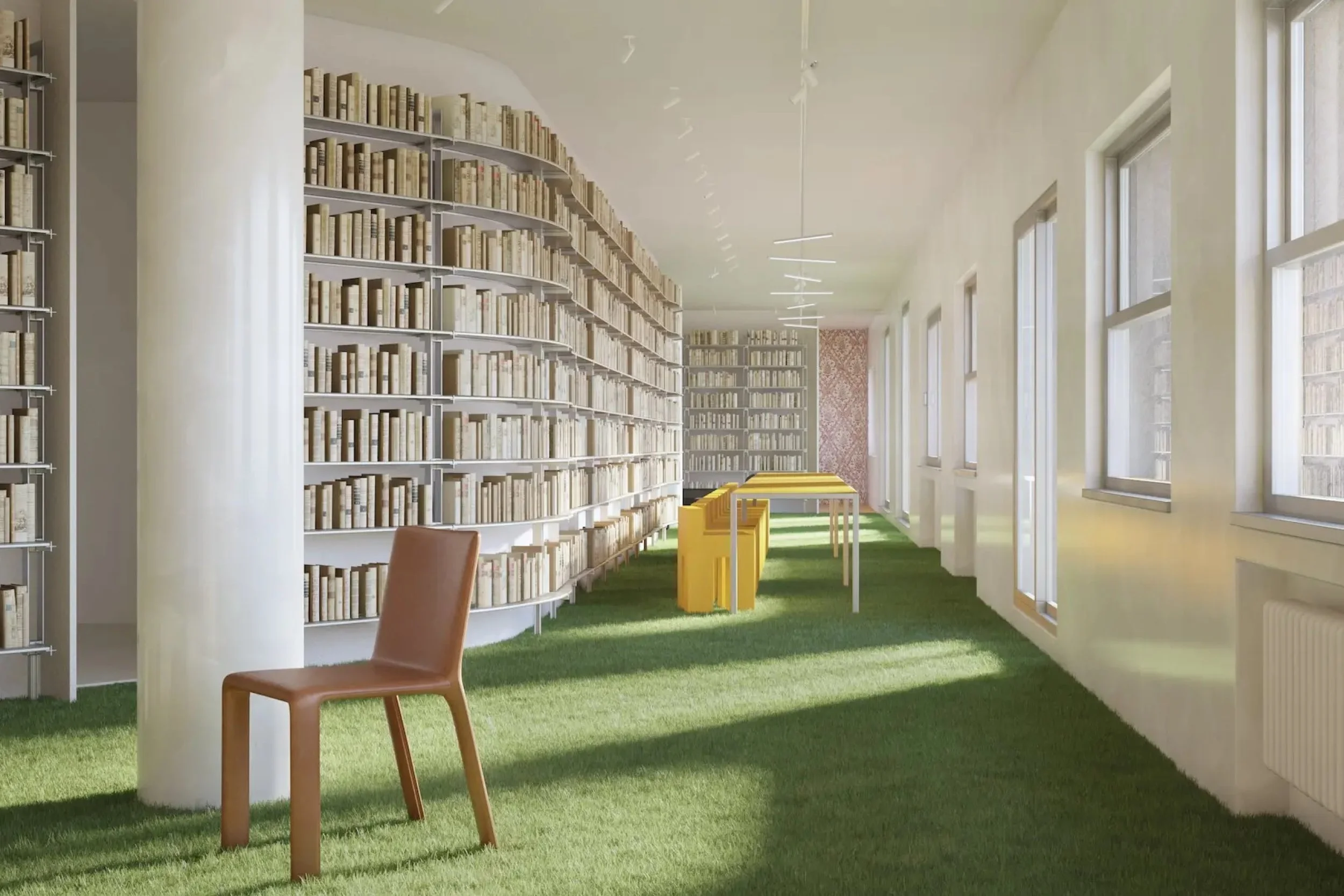
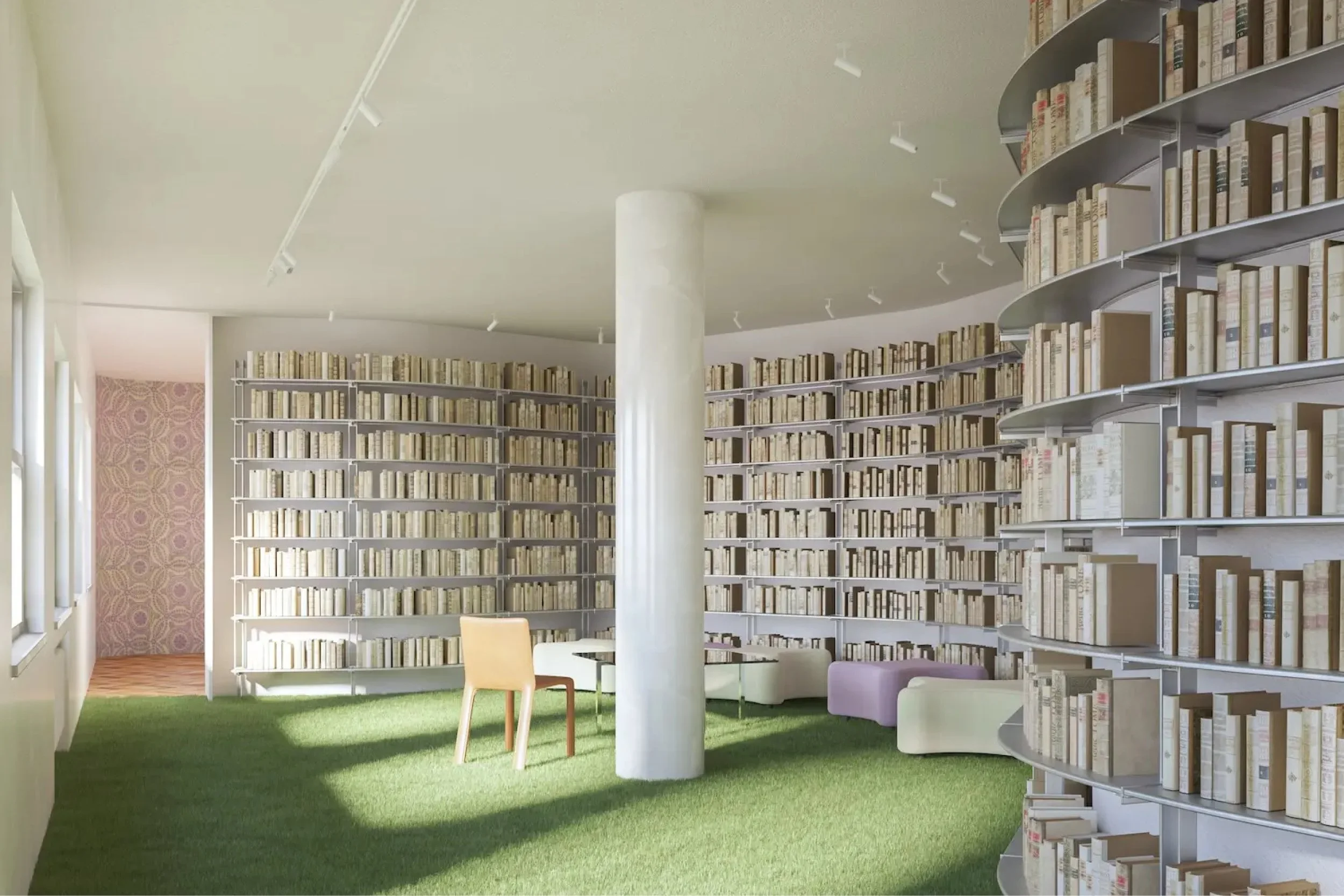

Annabel Karim Kassar: “Punk Witch”
A house in a library or a library in a house? “Punk Witch” is a modernist apartment in the heart of Brera housing over 10,000 books from the collection of George Kerevan – the Scottish economist, filmmaker, writer and journalist.
Originally designed by Armando Ronca and now reinterpreted by Franco-Lebanese architect and designer Annabel Karim Kassar, “Punk Witch” will become a permanent space for the public with ongoing events and initiatives in Milan. Photographs: Annabel Karim Kassar
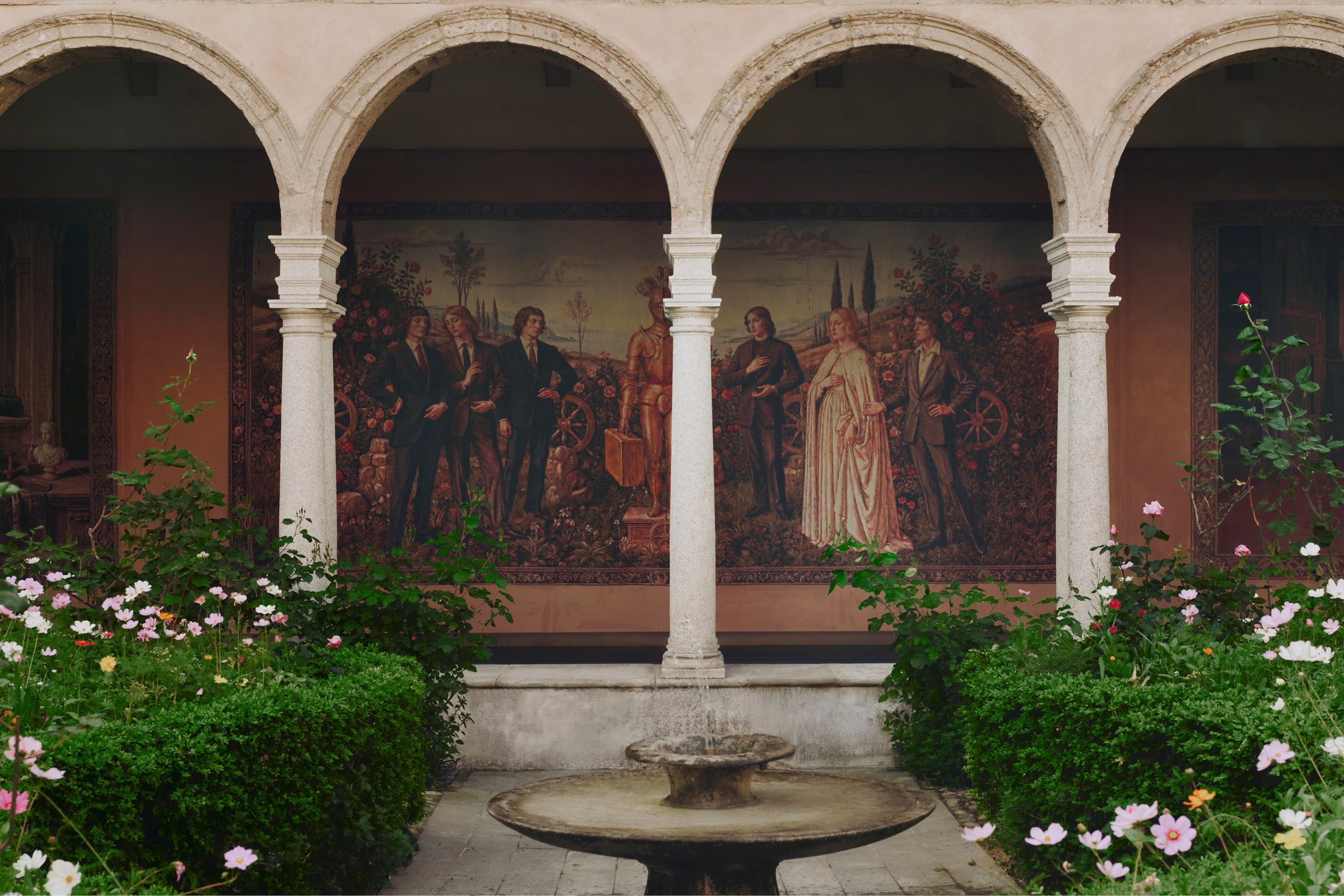


Gucci Memoria
Set within Milan’s historic Chiostri di San Simpliciano, Gucci Memoria symbolically retold the House’s 105-year history through a series of 12 (knowingly kitsch) tapestries reflecting its many facets, transformations, and creative expressions.
Curated by creative director Demna Gvasalia, the exhibition draws on cultural references that have influenced Gucci’s designs over the decades. Magnanimously highlighting previous creative directors Tom Ford, Frida Giannini, Alessandro Michele, and Sabato De Sarno, the final tapestry depicts Demna's debut runway show, Primavera, from February 2026. Within the Basilica’s large cloister, a glorious garden installation featuring specially cultivated seasonal flowers, reflected the House’s iconic Flora motif, and joyfully proclaimed that Spring had sprung. Photographs: Gucci


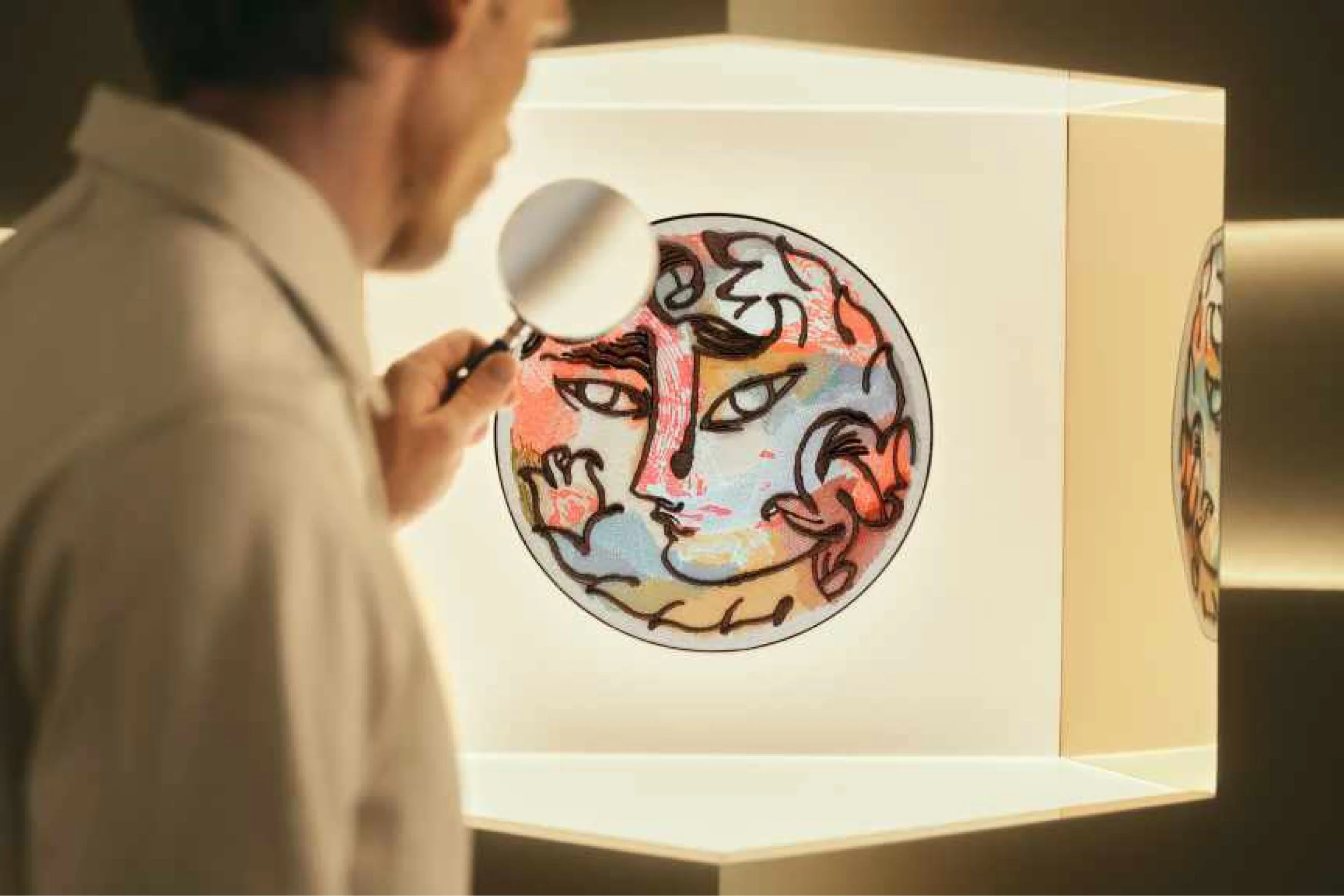

Range Rover: Traces
Traces, Range Rover’s second exhibition at MDW, explored the relationship between memory, craft and design, whilst celebrating Range Rover Bespoke personalisation service.
The multi-sensory installation contained three chapters. The first, Memory and Colour, contained a conceptual colourscape by Argentina-born filmmaker Felipe Sanguinetti. The second, Memory and Motif, contained embroidery pieces inspired by illustrations from Hvass and Hannibal, Lisa Rampilli, Petra Borner and Jules Julien.
The third chapter, Memory and Material, presented an exhibition of Scottish craft curated by Hugo Macdonald from Bard, the Edinburgh‑based shop and gallery. Photographs: Range Rover
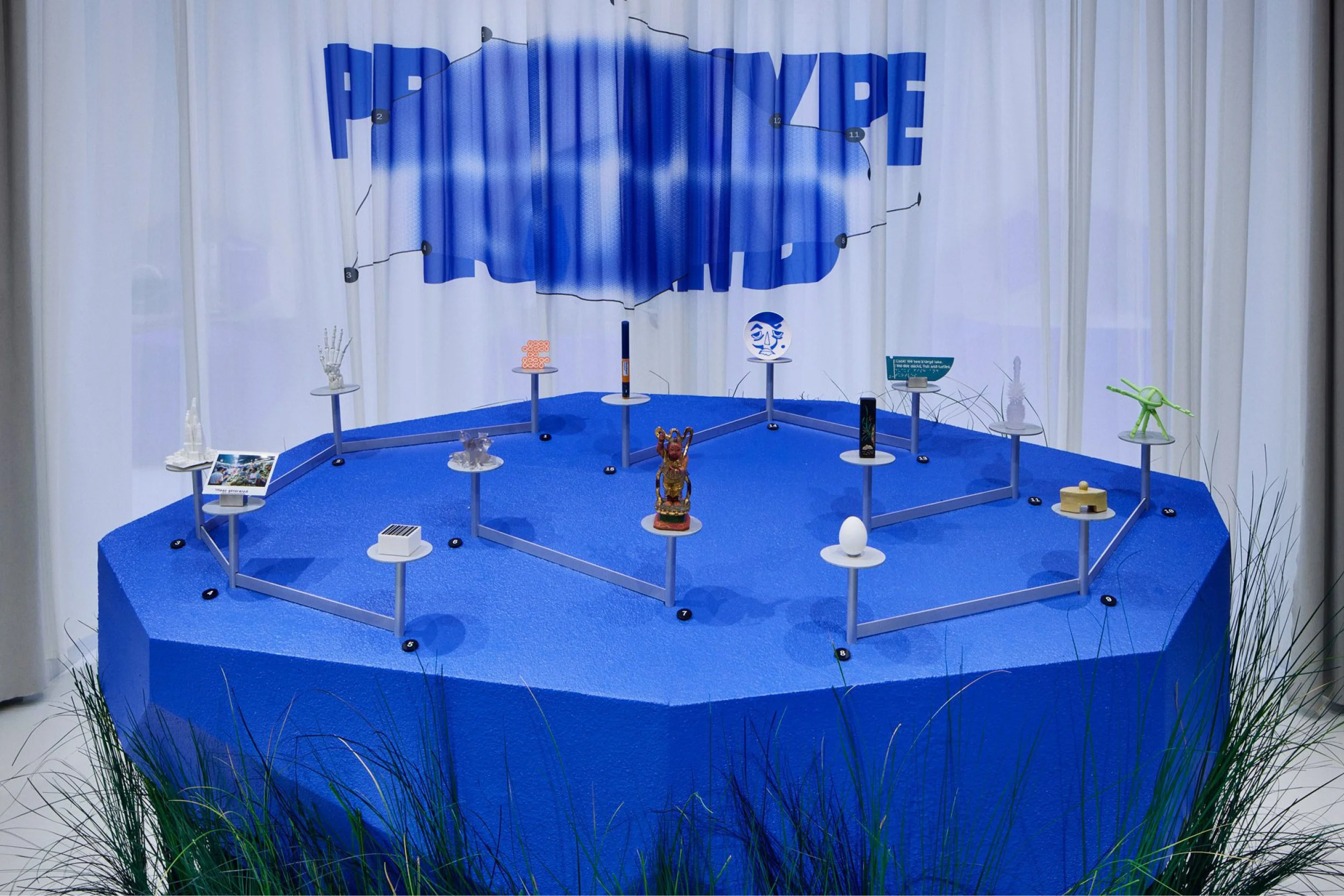
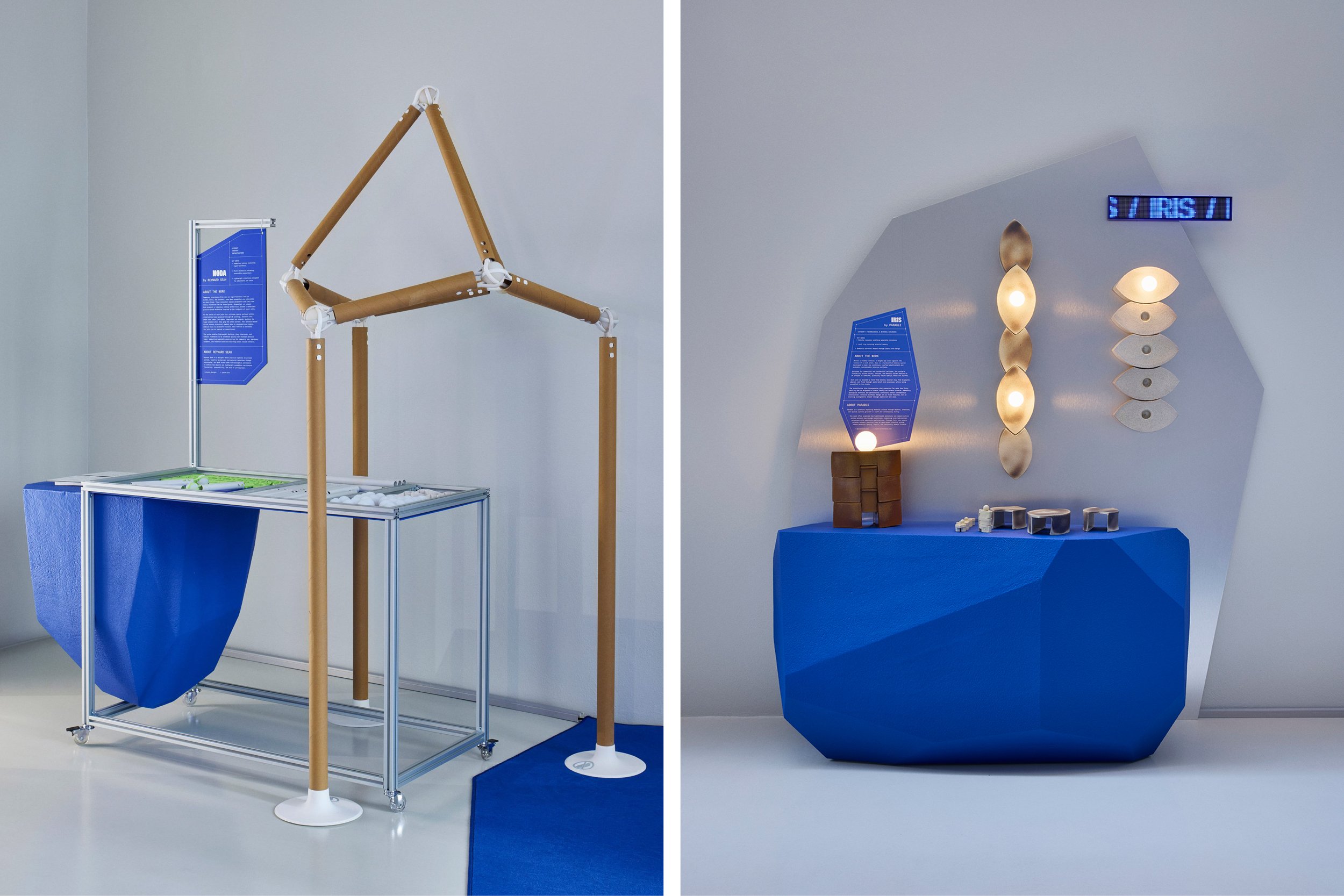

DesignSingapore: Prototype Island
Following our three-year collaboration with DesignSingapore Council bringing Singapore to the global design stage of Milan, we were proud to see this first exhibition independently curated by the designers we mentored.
Hunn Wai and Eian Siew excelled beyond our wildest expectations. Their debut MDW exhibition Prototype Island contained new designs from established and emerging designers, all living and working in Singapore. The show explored the nation as a living prototype, continuously evolving, optimising and future-proofing against global challenges through the power of design. Photographs: Mark Cocksedge


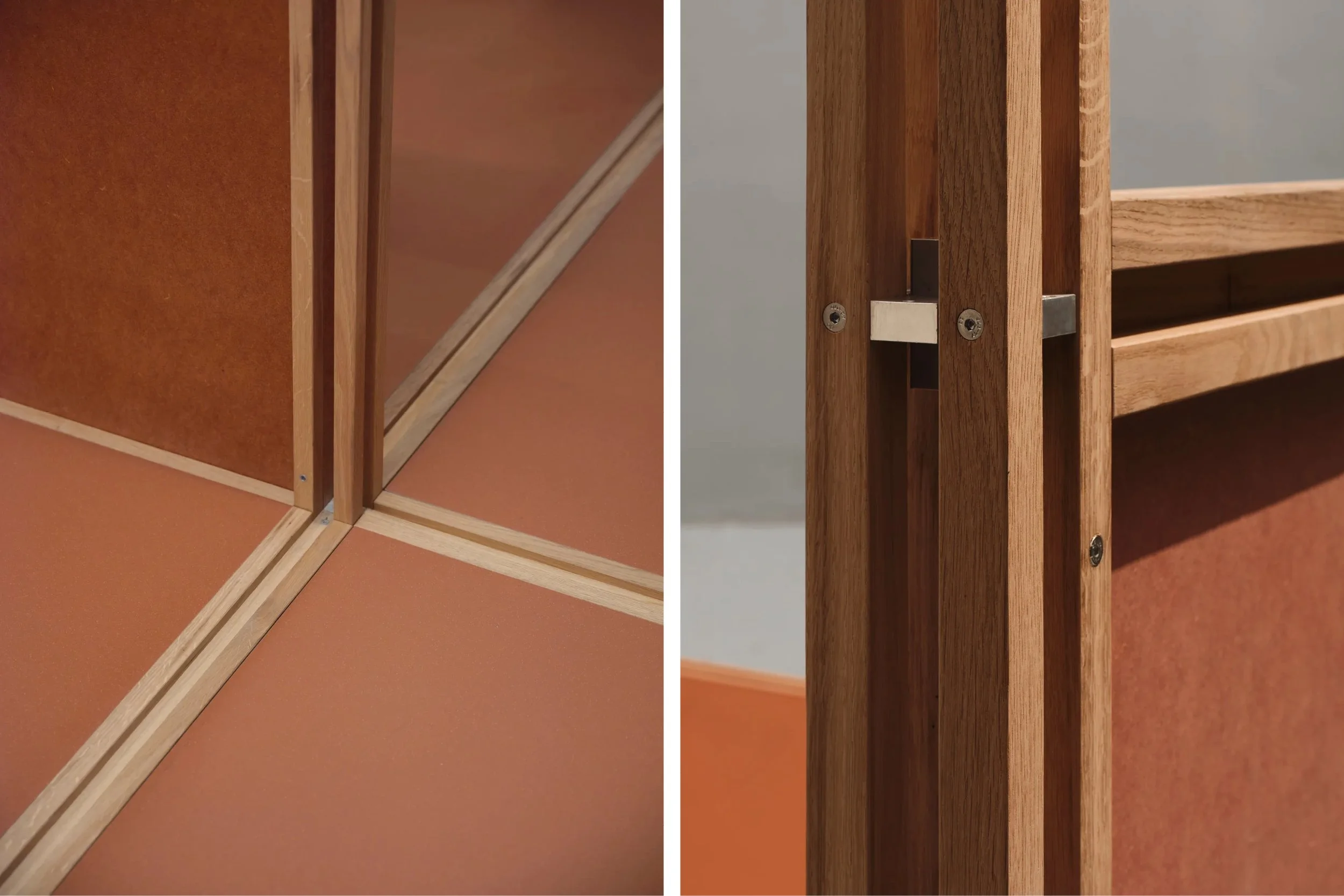
QuadroDesign/Giacomo Moor
At the Salone Internazionale del Bagno, QuadroDesign developed a booth conceived as a transformable structure intended to have a second life after the exhibition – addressing the need for a more sustainable approach to installation-making.
Designed by Milan-based Giacomo Moor, the system consists of a timber frame held together by specially designed four-way aluminium connectors – making it easy to dismantle and transport. It is currently on its way to Masala, Zambia where it will be installed as a public restroom. Photographs: Luca A Caizzi

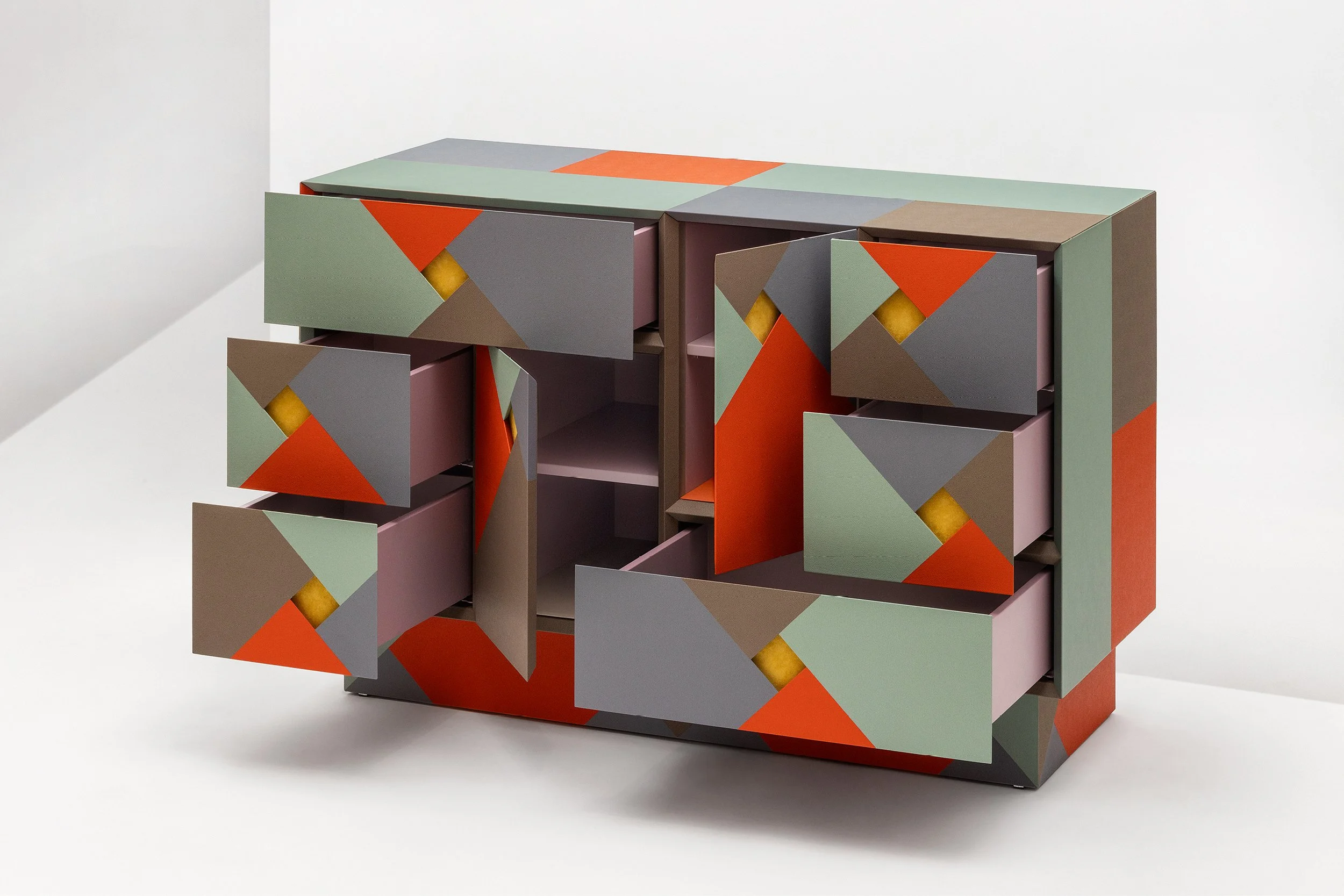
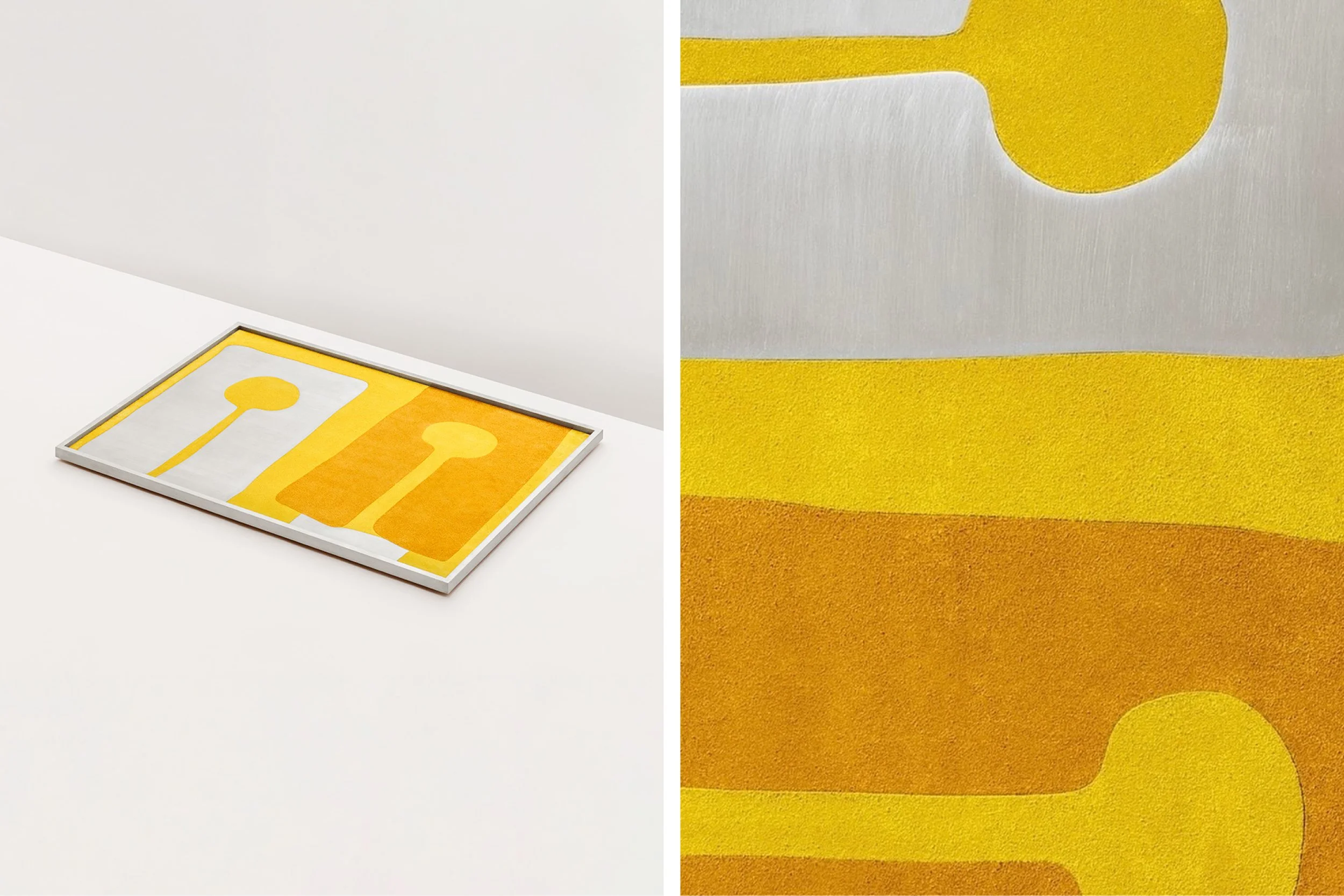
Giobagnara Art Edition
Curated by Nick Vinson, Italian leather maker Giobagnara debuted an exclusive collection of numbered objects crafted using an intricate leather marquetry technique. Created by artists Gary Hume & Martino Gamper, the limited-edition pieces range from screens, chests of drawers and bar cabinets to wall panels and mirrors, as well as vases, boxes and trays. Photographs: Margo Scrinii
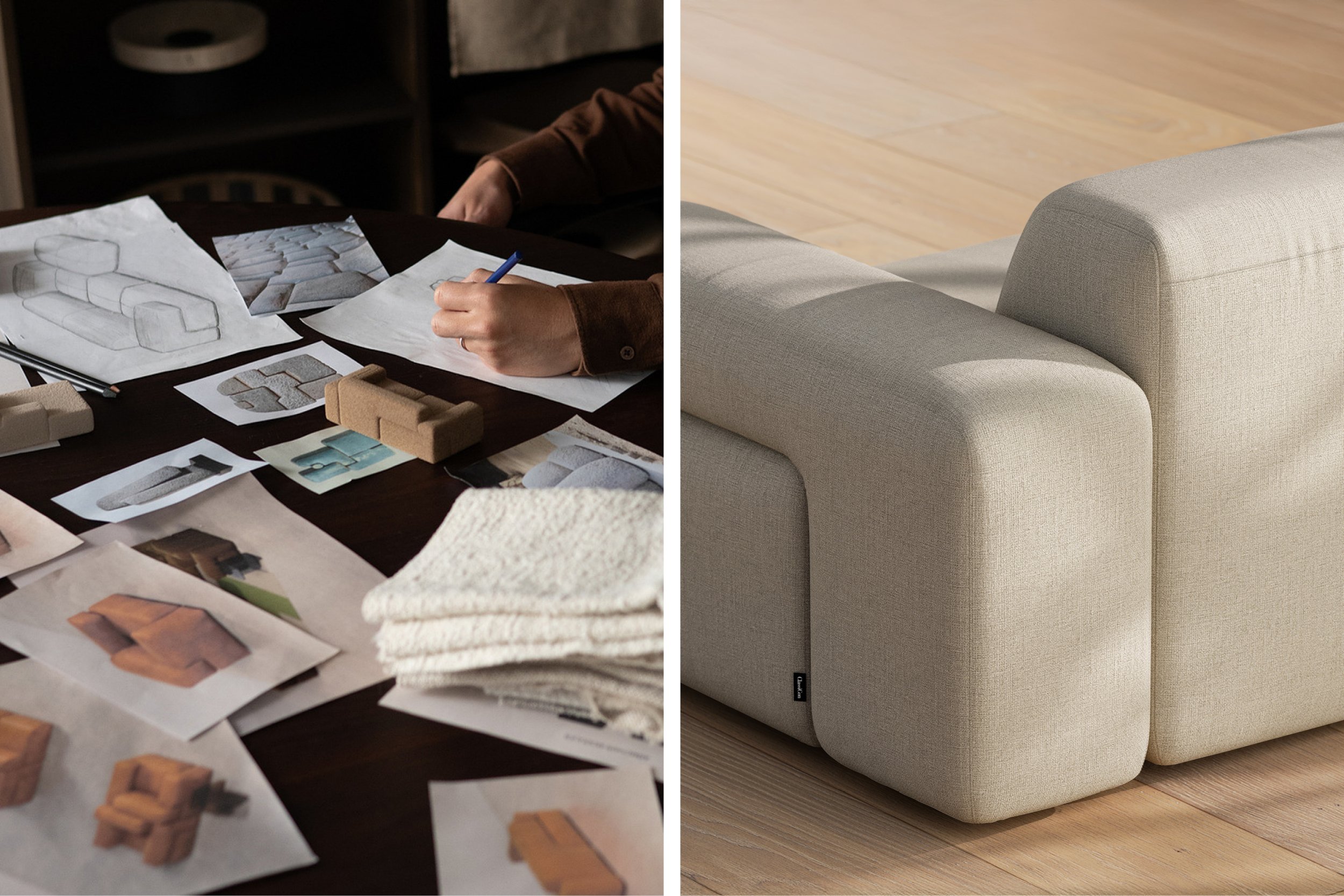

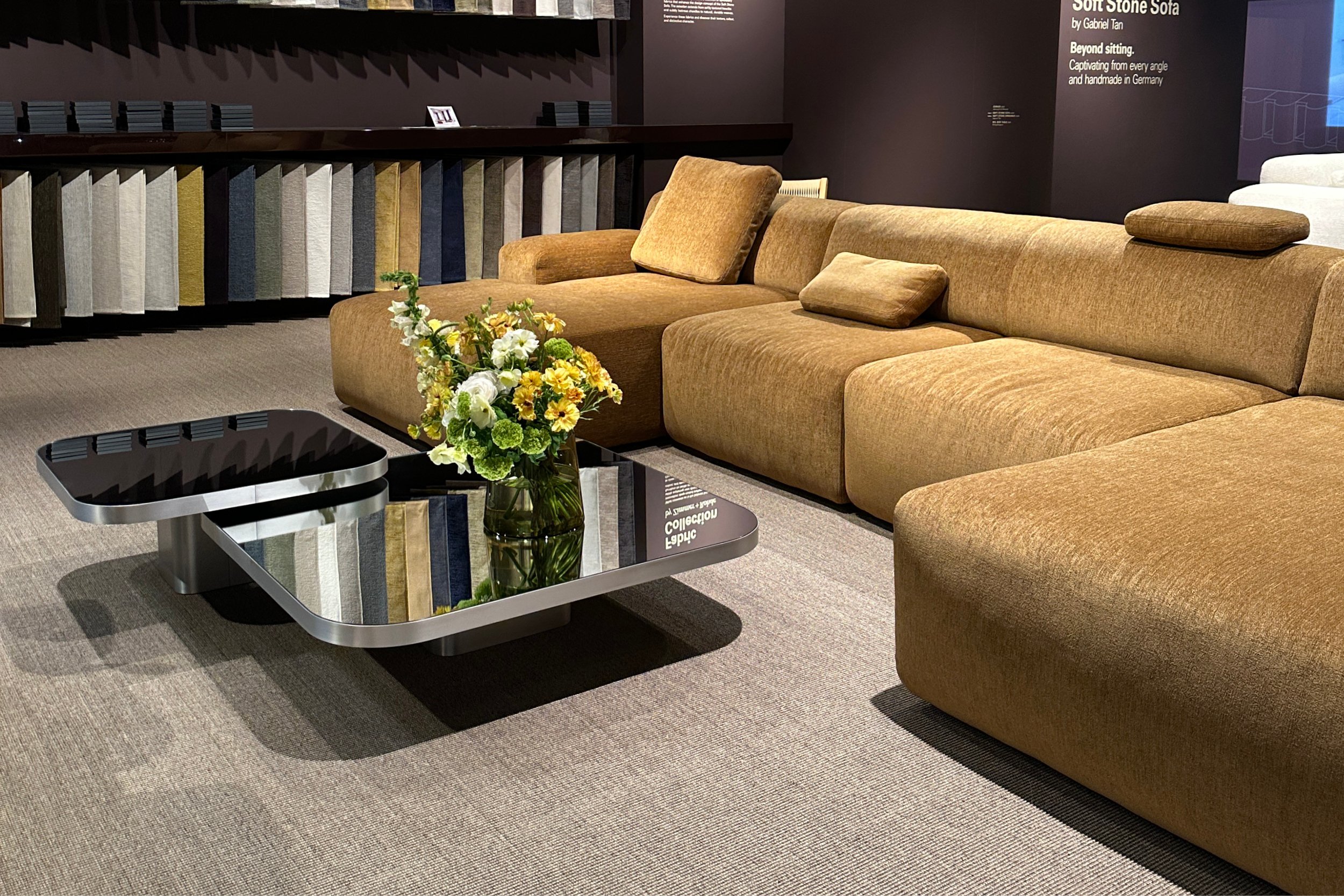
ClassiCon x Gabriel Tan: Soft Stone Sofa
German furniture and design manufacturer ClassiCon debuted the Soft Stone Sofa by Singaporean, Portugal-based designer Gabriel Tan. A round-cornered modular system, the Soft Stone Sofa draws from natural forms, sculpture, and architecture references such as the staggered stone blocks of Porto's Parque da Cidade and the work of Isamu Noguchi. The sofa’s modular system is based on 11 distinct asymmetric modules, all following a fluid, sculptural logic. Photographs: ClassiCon
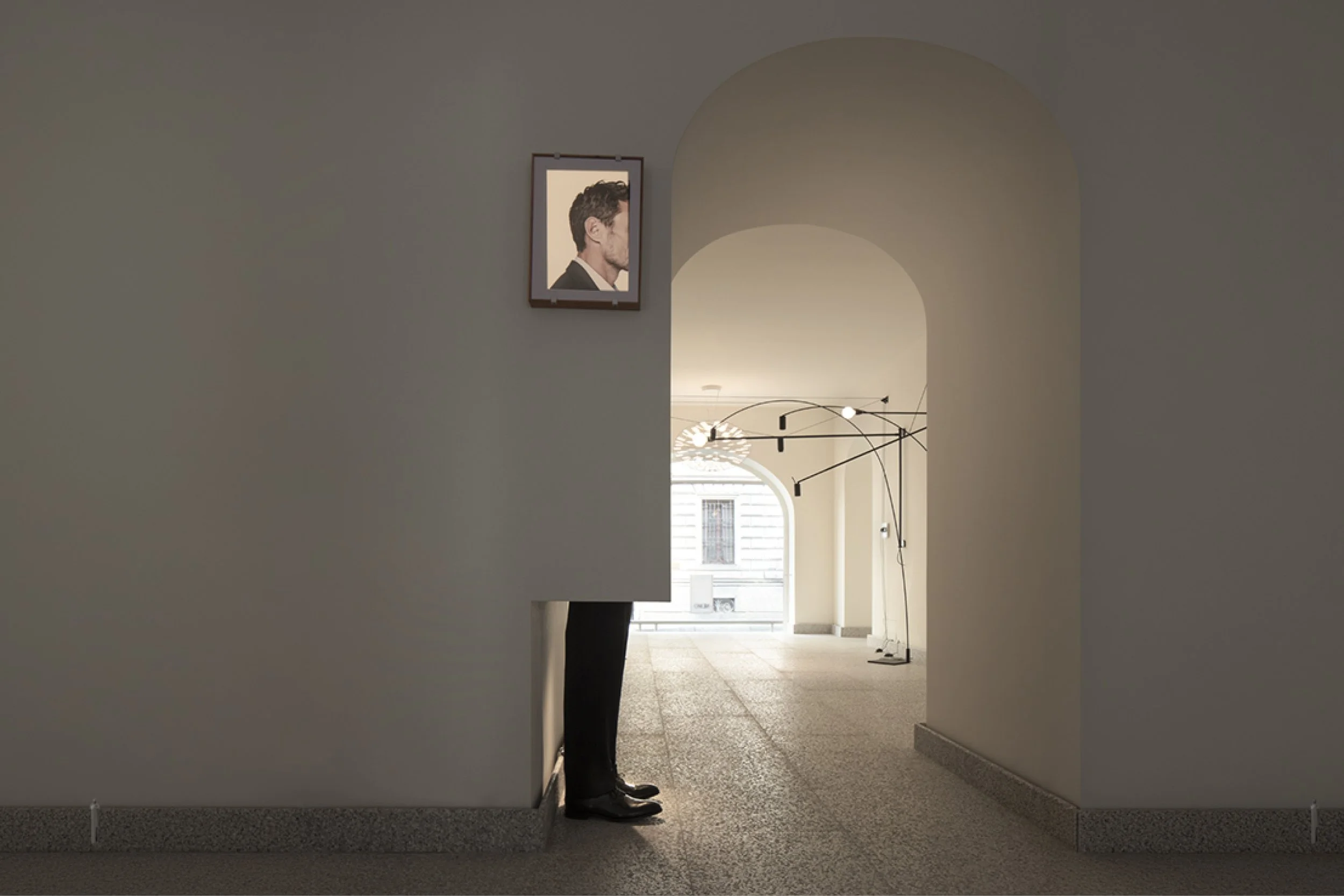
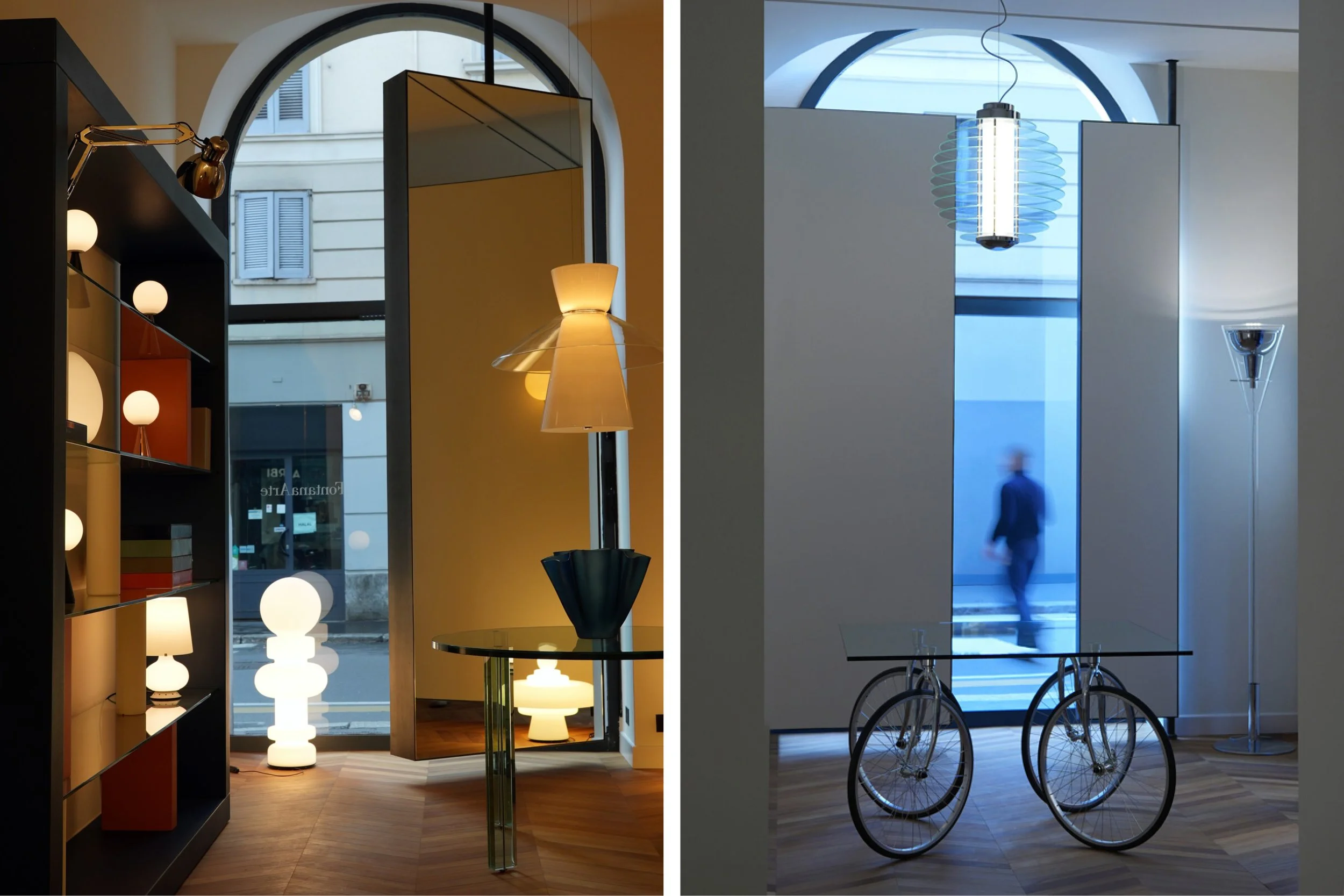


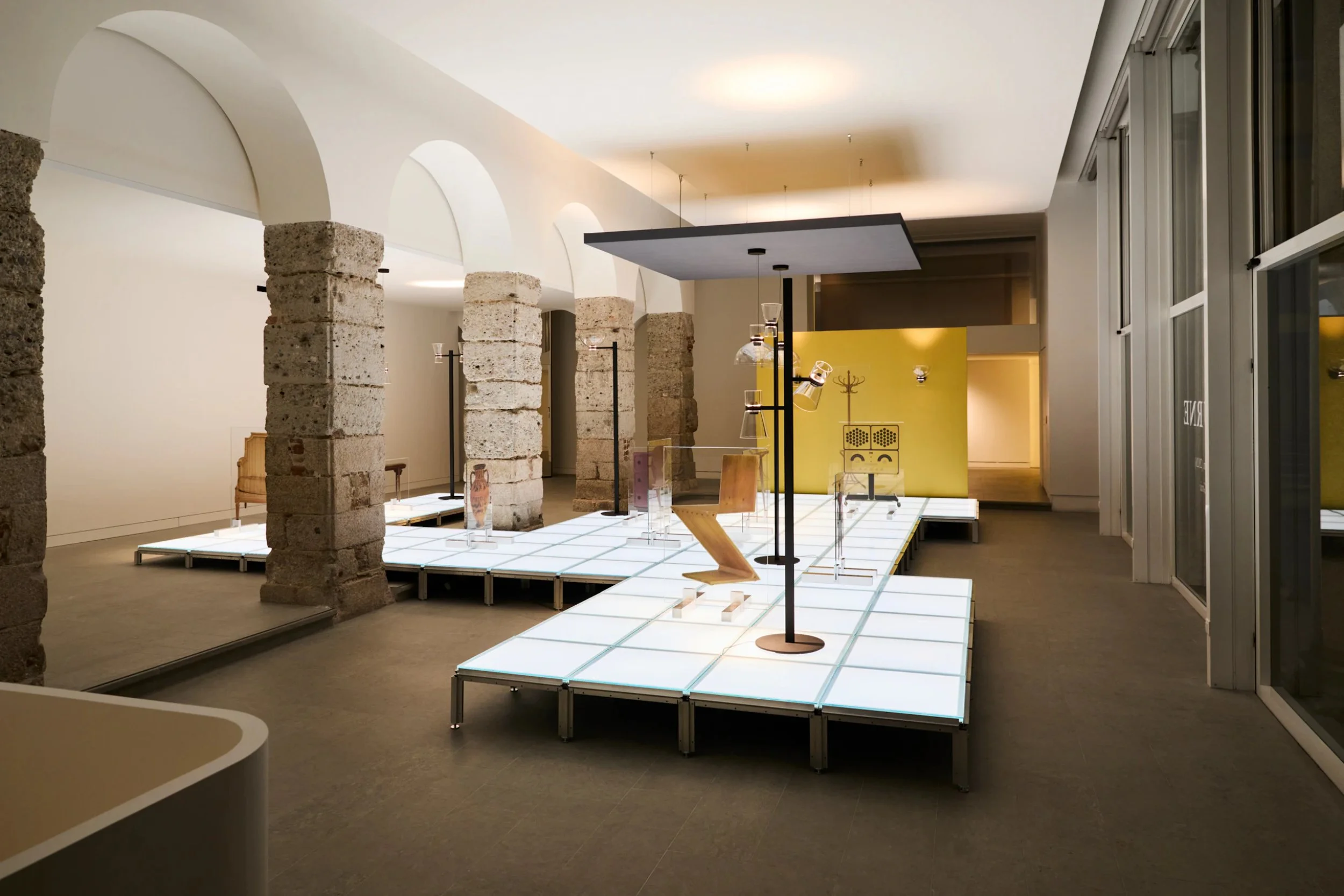
Light Fantastic: Three Bright Sparks
Nemo’s new permanent showroom on Via Santa Cecilia is a work of surrealist wit and wonder by designer Ron Gilad, while their former space around the corner on Corso Monforte has been elegantly transformed by Franco Raggi into the new home of FontanaArte.
On the same street we were wowed by the glow of two radical new works for Flos. Konstantin Grcic’s modular Nocturne system made of hot-formed borosilicate glass and aluminium, and Erwan Bouroullec’s hand-crumpled, fibrous Maap wall lamp.
While next door, Artemide presented new proposals and collection extensions by their roster of internationally renowned studios, including Foster + Partners, Herzog & de Meuron, SOM, and a celebratory 10th anniversary with BIG – Bjarke Ingels Group.
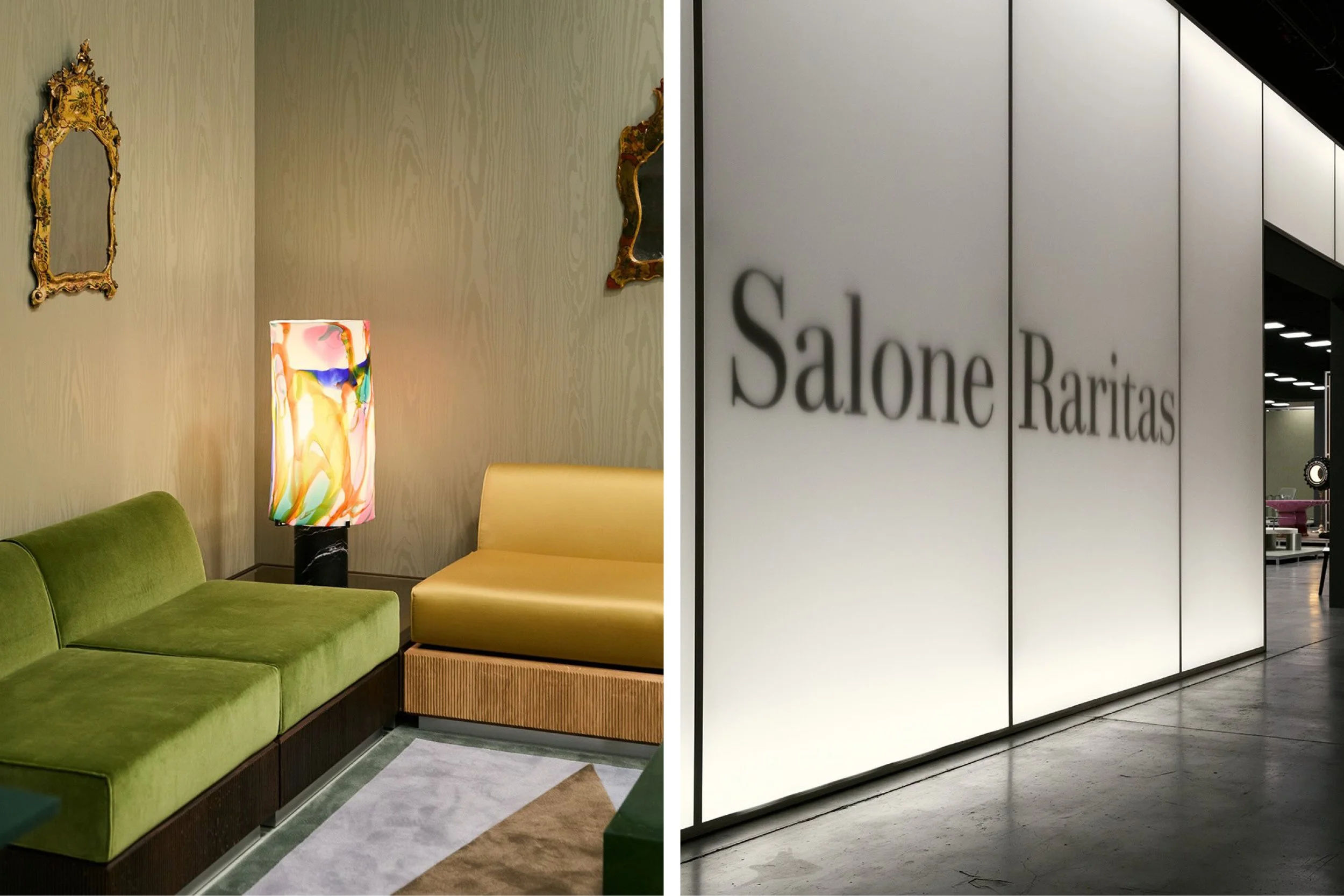

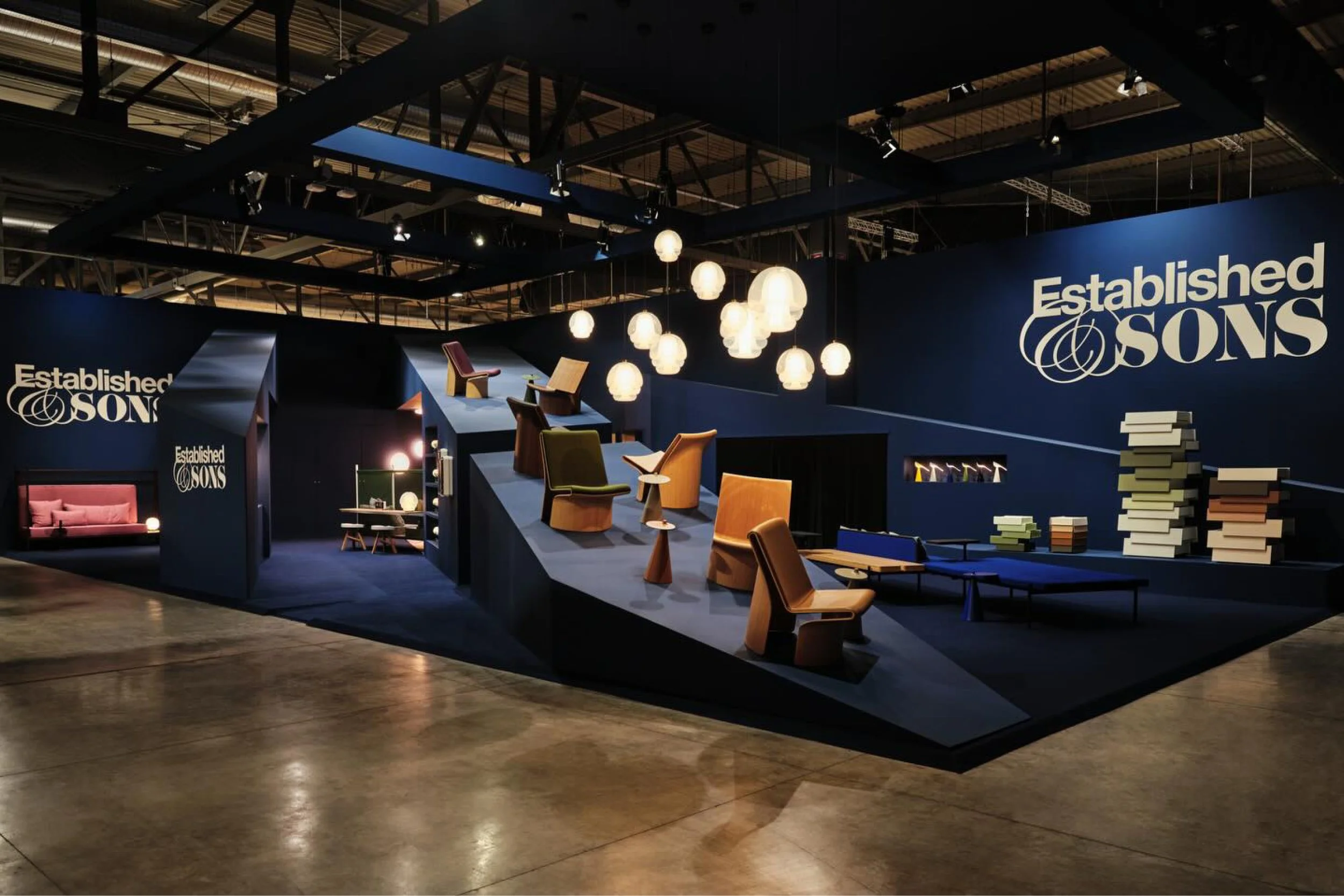
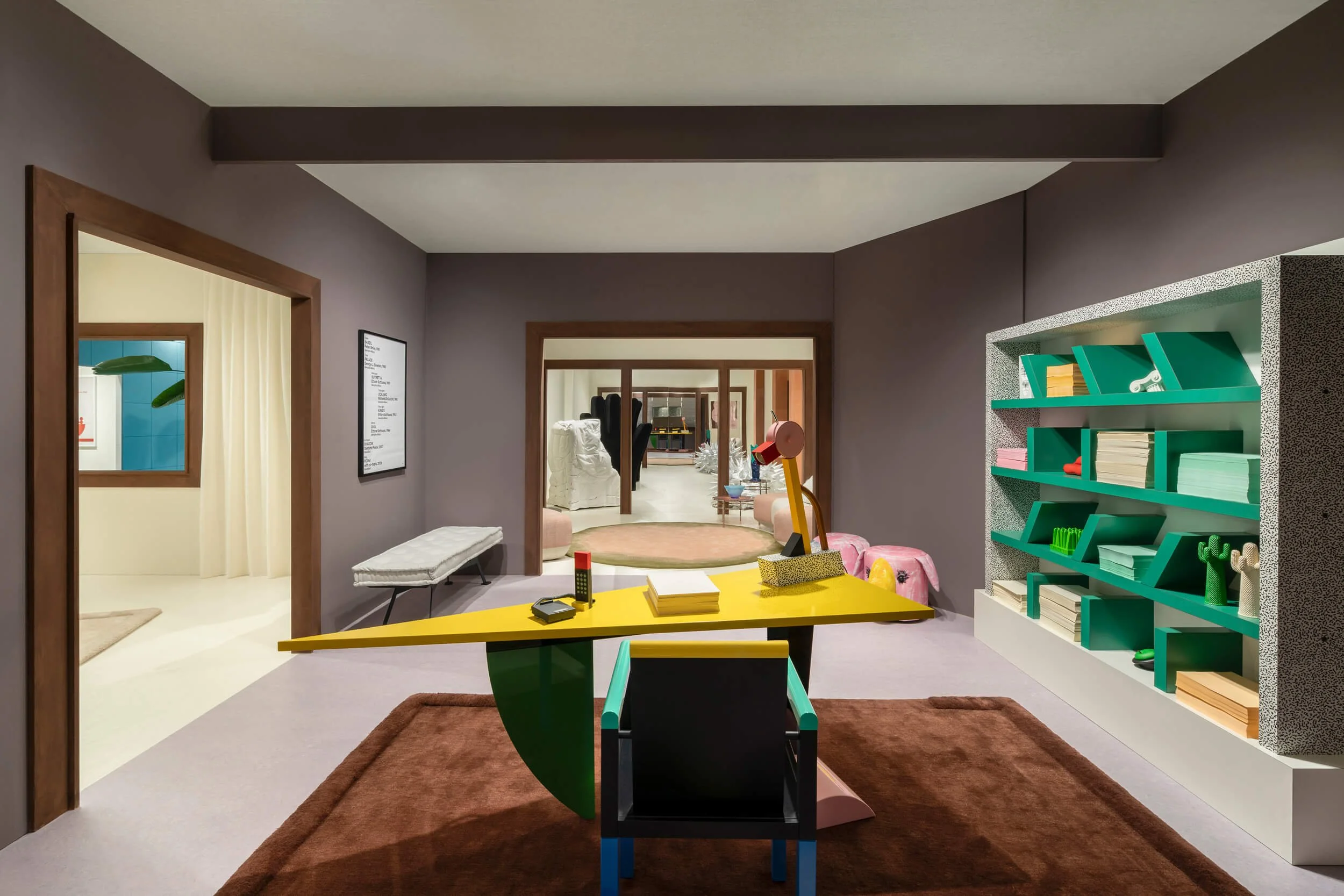
A Revitalised Fiera
Kudos to Salone del Mobile President, Maria Porro and her team for the introduction of Salone Raritas. This new dedicated space focusing on collectible design, limited editions, one-off pieces, and even design antiques brought a renewed excitement and curiosity to the Fiera.
Curated by Annalisa Rosso and with exhibition design by Formafantasma, it’s a clever bridge between high-end international galleries and the contemporary B2B design world. Another innovation to look forward to next year, focusing on the Contract sector, was previewed in a lecture by OMA’s Rem Koolhaas and David Gianotten.
Other standout Fiera moments included B&B Italia’s monumental, Mies van der Rohe-inspired presentation, the return of quintessentially British brand Established & Sons (over 20 years after its debut) and The Radical Home – a joint exhibition by the Italian Radical Design Group – featuring Memphis Milano, Gufram, and Meritalia.
